
Food & Forest: Back to Basics in County Cork (Emerald City to Emerald Isle, Part II)
October 2025
The trees are in their autumn beauty,
—William Butler Yeats1
The woodland paths are dry,
Under the October twilight the water
Mirrors a still sky
Here’s the second segment of a trilogy inspired by my recent sojourn in Ireland. Teasing out today’s topic enticed me to examine anew the implications of this column’s title (“Horticulturally Yours”) as well as its modus operandi (“Plunging into Plantlife”). Horticulture is “the science and art of growing fruits, vegetables, flowers or ornamental plants.”2 A loan word from Latin, its components are “hortus” (garden) and “cultūra” (growth). Most of my missives have stressed the latter elements of the definition (art and ornamentals) while overlooking the primary essence of edible plants and how to produce them. This time around we’ll rectify that omission and also pay homage to botanically based nourishment of a more sanctified sort: the spiritual resonance of trees.
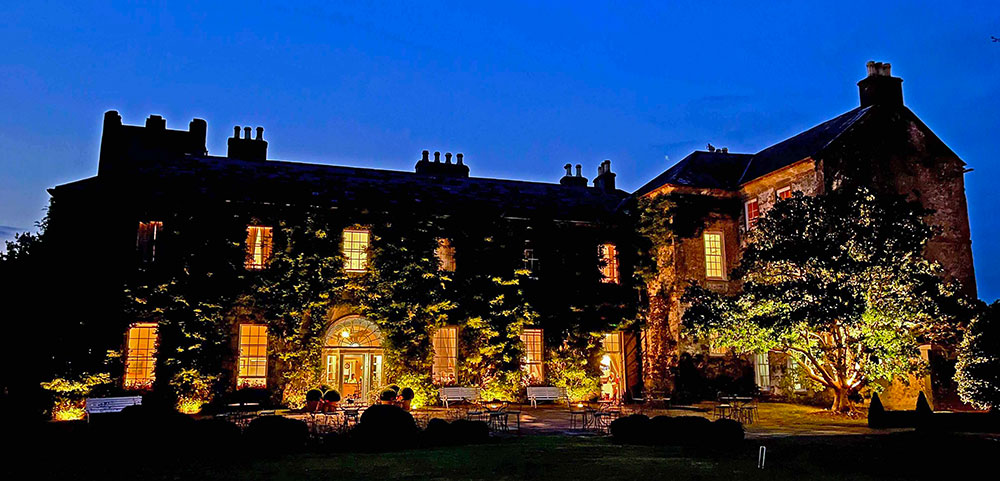
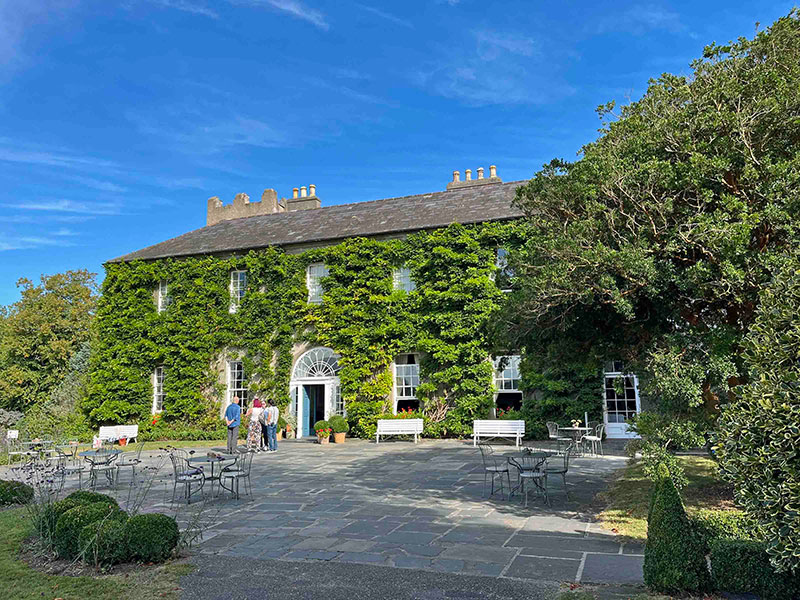
Picking up where we left off last time, after departing green Galway we scooted southward about 150 miles to the bucolic village of Shanagarry in County Cork, a couple kilometers from the Celtic Sea and astride the narrow eastern coastal fringe that constitutes Ireland’s sunniest strip. There we met up with a cosmopolitan coterie to celebrate the milestone birthday of a mutual friend, a doyenne in the noble realm of public broadcasting who for years had been extoling to us the virtues of our destination, Ballymaloe House. Owned and operated by several generations of a local family, this 200-year-old country house (built around the core of an Anglo-Norman castle dating from 1450) has functioned as a destination restaurant since its founding in 1964 by Myrtle Allen3 and began operating as a boutique hotel shortly thereafter.
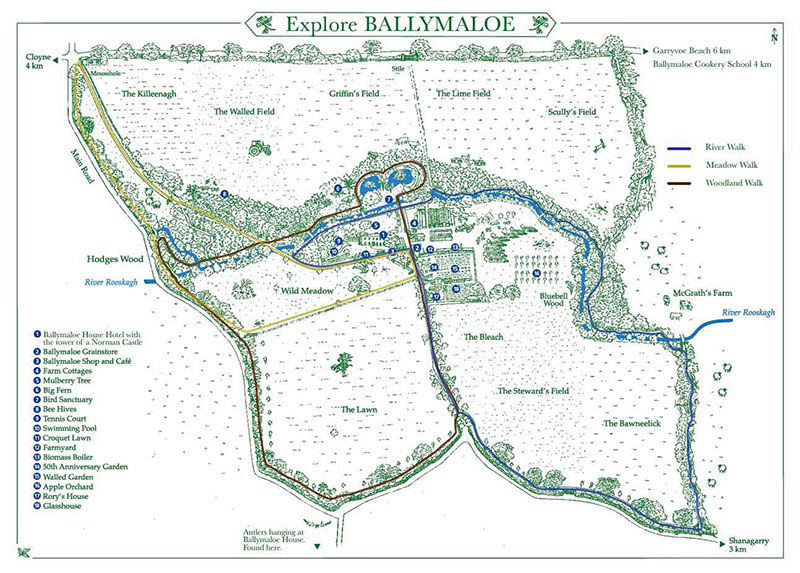
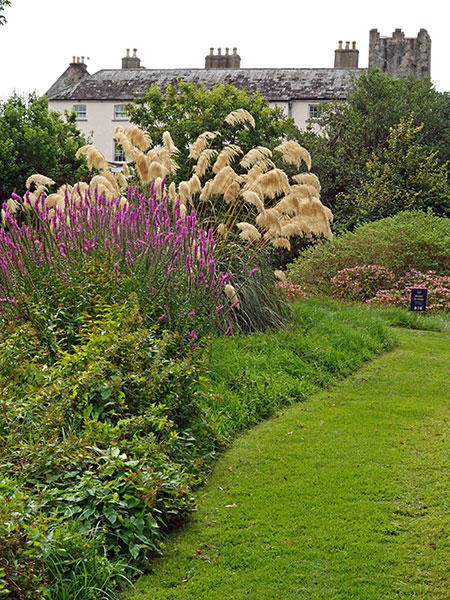
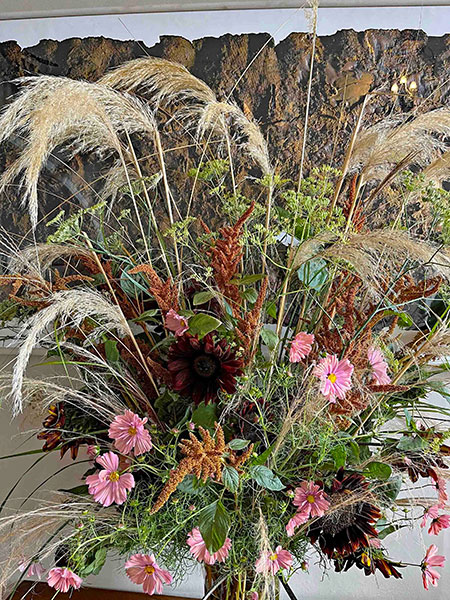
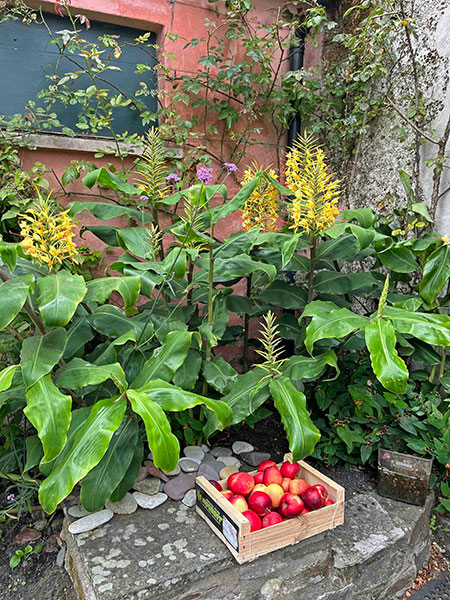
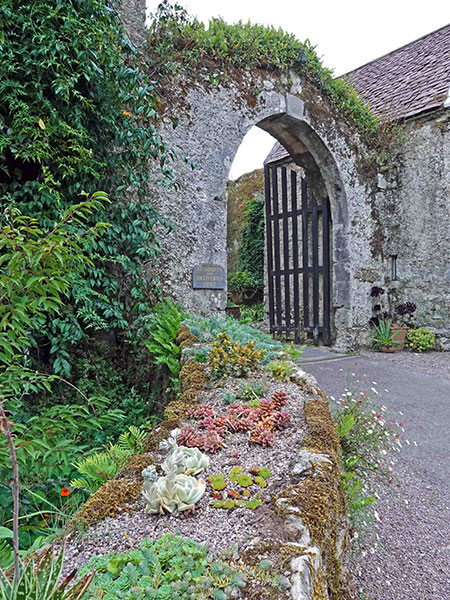
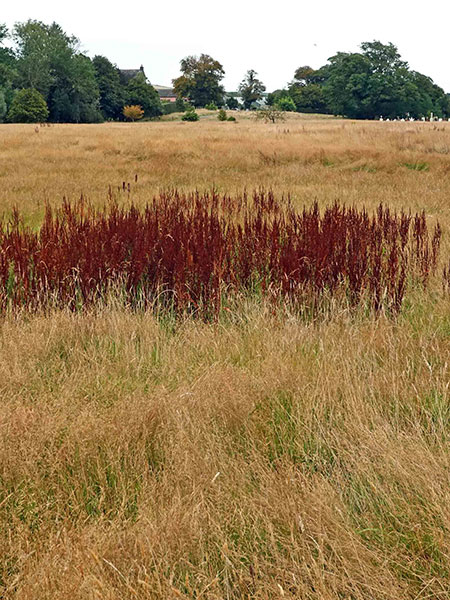
On arrival, we learned it is much more than a storied, romantic residence: Ballymaloe has emerged as a paragon of sustainability. Heating and hot water, for example, are provided by biomass boilers powered by straw grown in surrounding fields. (They claim not to have used fossil fuels for such purposes since 1984.) Arrays of solar panels supply more than half of Ballymaloe’s electrical needs. Staff members navigate the sprawling grounds by bicycle or electric buggy. Surrounding the house are 300 acres of orchards, vegetable gardens, pastures, meadows, native woodlands and wetlands, all managed by ecologically exemplary practices.
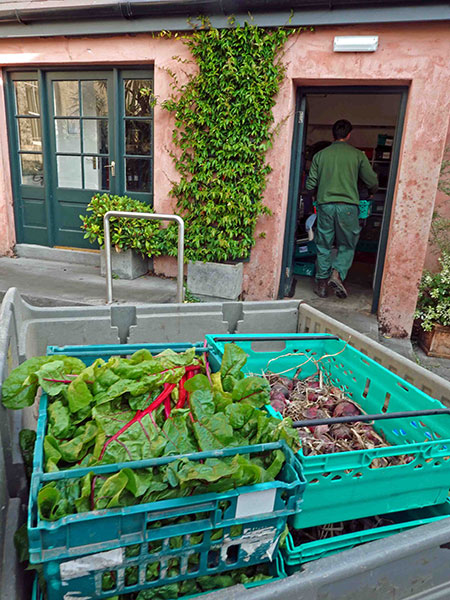
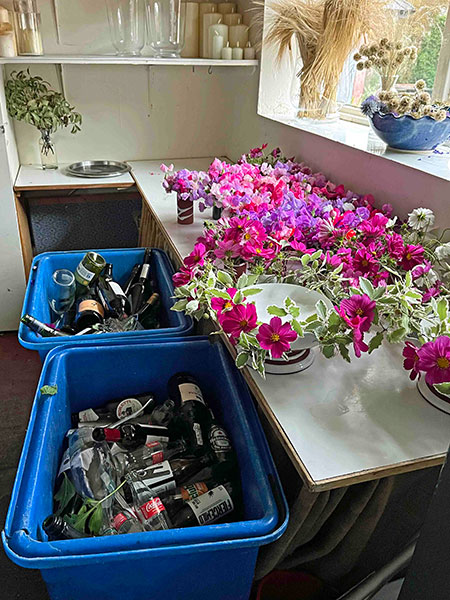
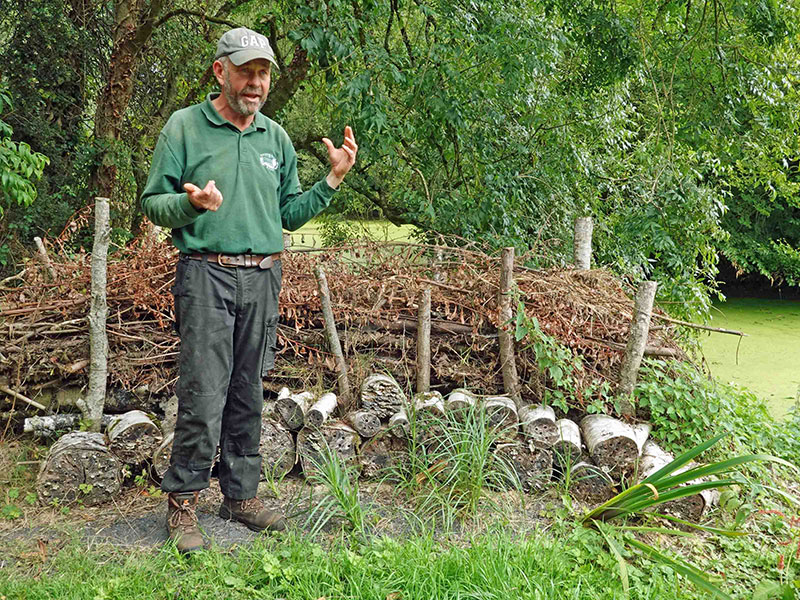
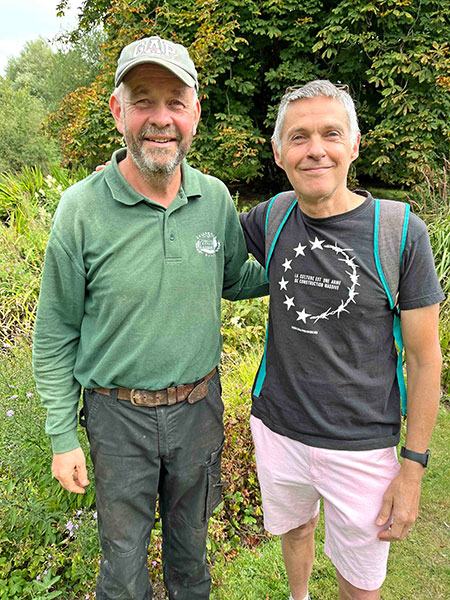
Guests are invited to join Head Groundskeeper Tobias Pedersen on Monday and Thursday mornings for biodiversity-focused walking tours of the estate, where he discusses and demonstrates initiatives such as rewilding hedgerows, establishing wildlife corridors along streams, reintroducing native trees to the woodland, planting for pollinators, and beekeeping. (Aptly, Ballymaloe means “place of honey” in Gaelic.) Climate change and adaptations to it are crucial concerns for Pedersen, who informed us that only one of the past five years has delivered “normal” precipitation. Two years brought severe flooding while two others (including this year) have seen protracted drought. To top it off, summer 2025 was the hottest in Ireland since detailed record-keeping began in 1900, and this followed in the immediate wake of record-breaking warmth in the spring season.
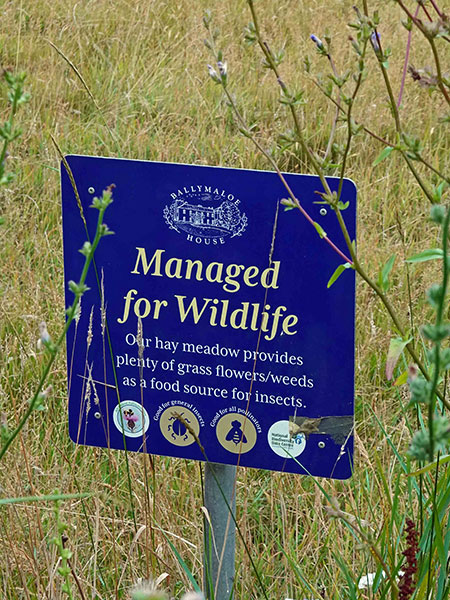
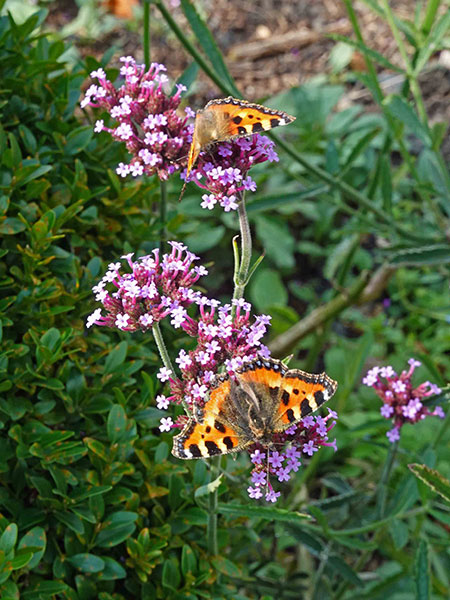
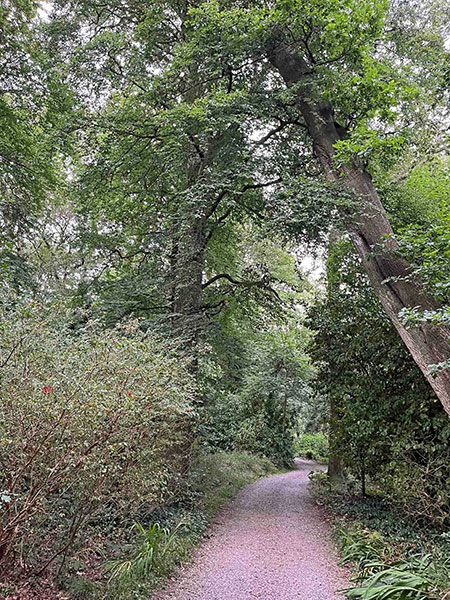
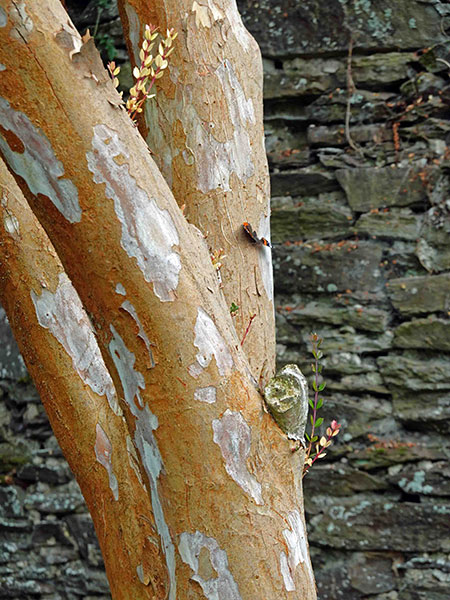
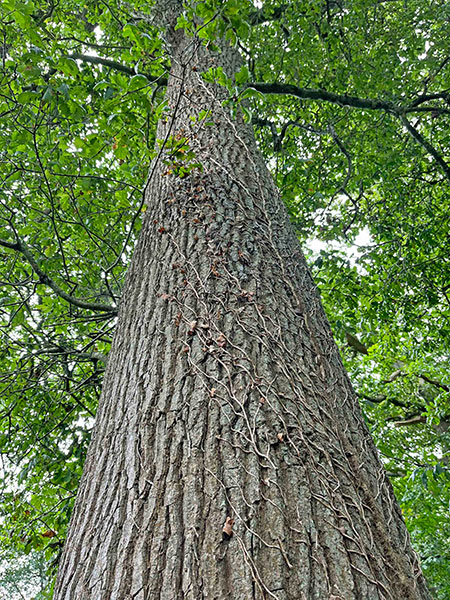
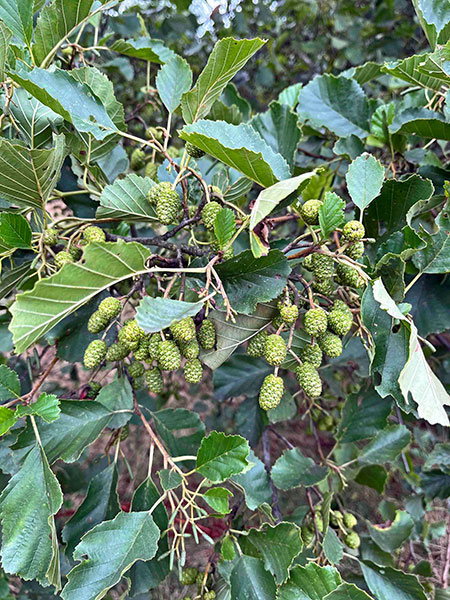
I gleaned a pair of takeaways from walking and talking with Tobias. 1. Exotic plants can sometimes fill vital niches and voids created by environmental degradation. One of Ireland’s prettiest native butterflies, the small tortoiseshell (Aglais urticae) is in rapid decline in Western Europe, but during my visit it abounded in the informal gardens around the estate. Its specific epithet, urticae, means “of nettles”, referring to its host plant, the common nettle (Urtica dioica), which has been encouraged to proliferate in Ballymaloe’s meadows and fields. But here I witnessed it feeding happily on Verbena bonariensis, a hard-working South American immigrant whose long bloom time is greatly appreciated by the butterflies. 2. Native forests must be expanded, nurtured and managed with diversity in mind: It comes as a shock that verdant Ireland, the Emerald Isle, is one of the least forested nations in Europe4. Ballymaloe is restoring its woodlands with emblematic trees native to County Cork: oak and alder, ash and birch, hazel and holly, pine and yew.
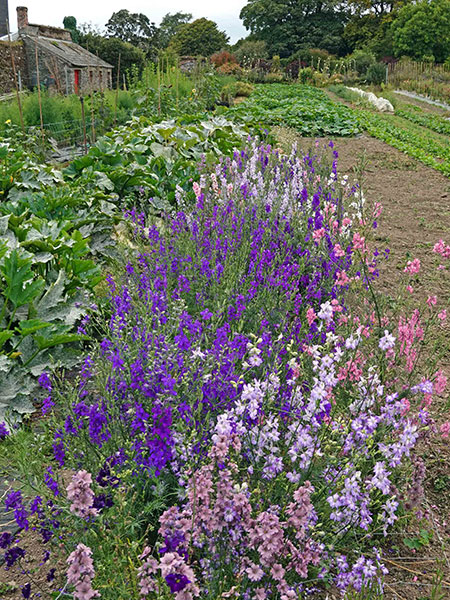
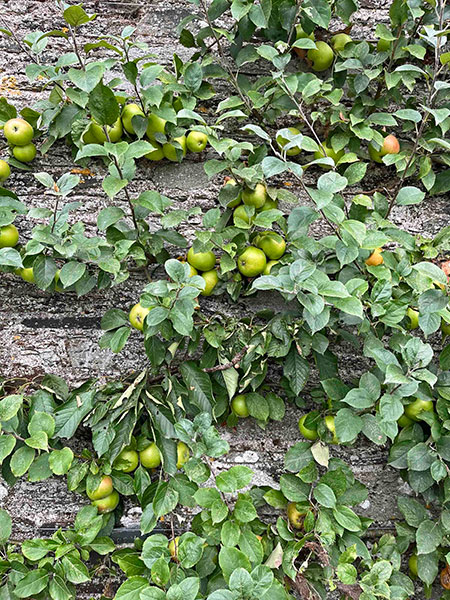
Germane to today’s topic, the abundant delectables served in the historic house’s seven dining rooms are largely harvested on the premises or sourced locally. (The house’s original, sapphire-blue dining room is –fittingly– dubbed the Yeats Room.) An enormous walled garden near the house shelters more than an acre of fruits and veggies of all persuasions, nestled and swaddled among hirsute and handsome, edible-adjacent trees, shrubs and assorted ornamentals. As we saw in many Irish gardens, southern hemisphere woody plants flourish here: Robust, mature specimens of acacia and crinodendron, luma and pittosporum abound. On the walled garden’s eastern flank is a newish (planted in 2014) two-acre apple orchard that produces juice and a dry, hard cider of renown made from several heritage varieties, including Crimson Bramley, Dabinett, Santana, and Topaz.
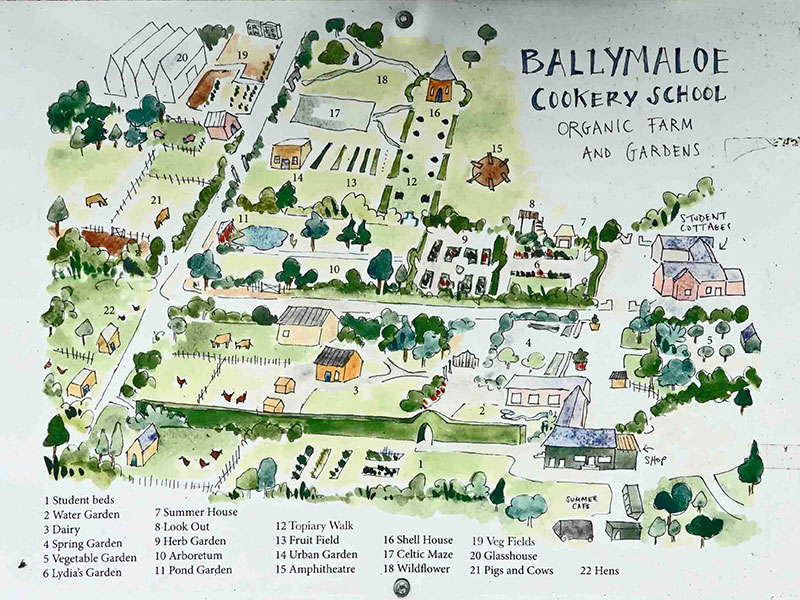
Around two miles from the main house is the culinary mecca of Ballymaloe Cookery School (Ireland’s finest, opened in 1983 by Myrtle Allen’s daughter-in-law, the author and celebrity chef Darina Allen), which sports a vast organic farm on its 100-acre plot. Greenhouses cover a full acre of space. An enormous state-of-the-art glasshouse structure meant to replace the original trio was nearing completion during my visit. Casual visitors and cookery students alike revel in the adjacent gardens that feature more than 20 themed areas including an arboretum, an herbaceous border, wildflower meadow, cottage garden, pond garden, Celtic maze, topiary walk, urban food garden and an elaborate, formal herb garden.
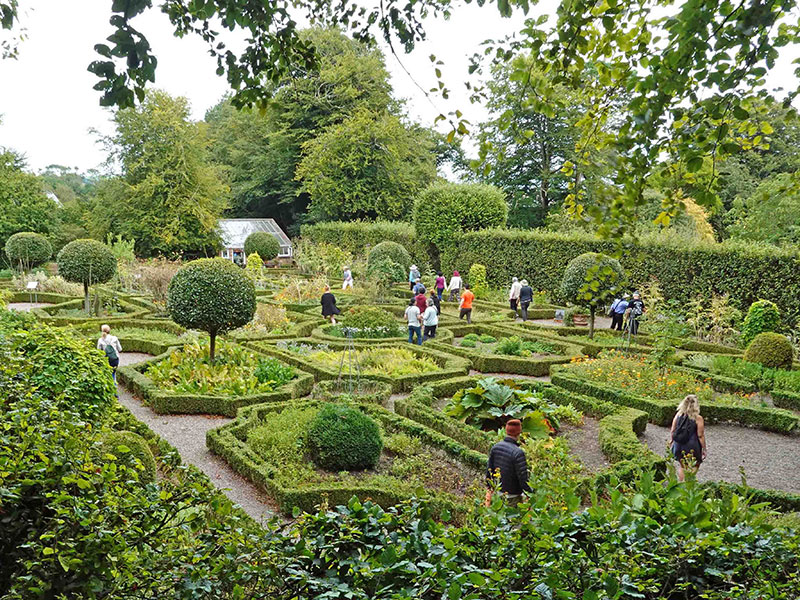
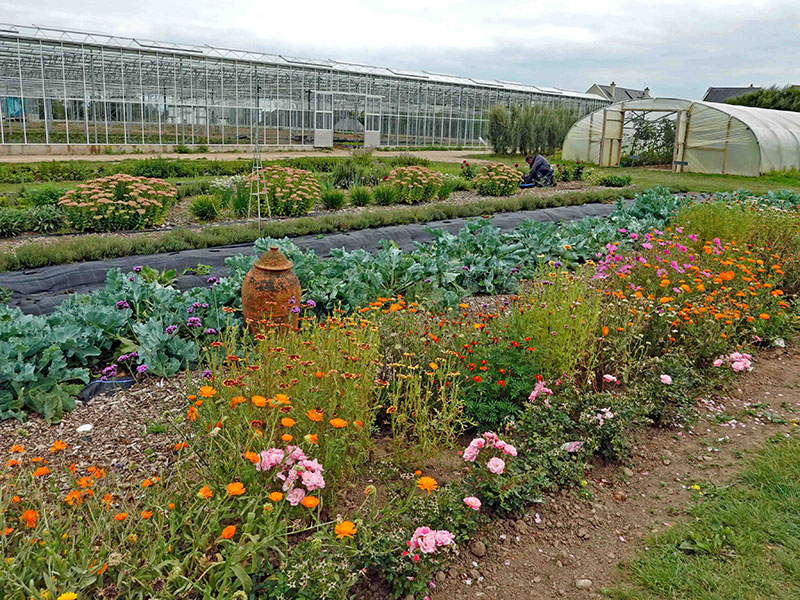
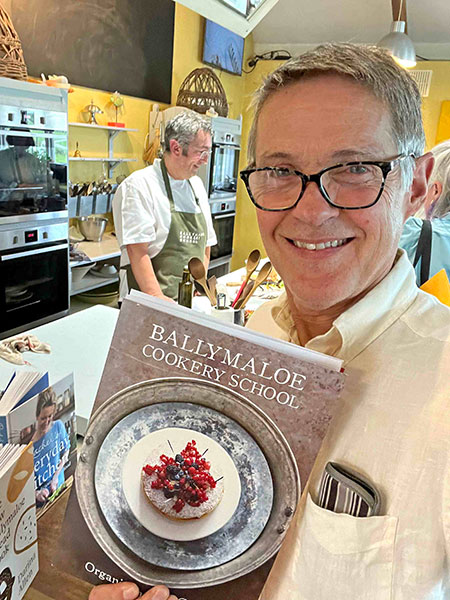
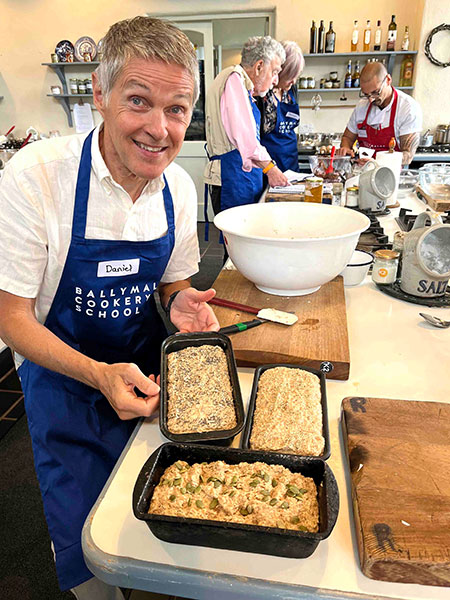
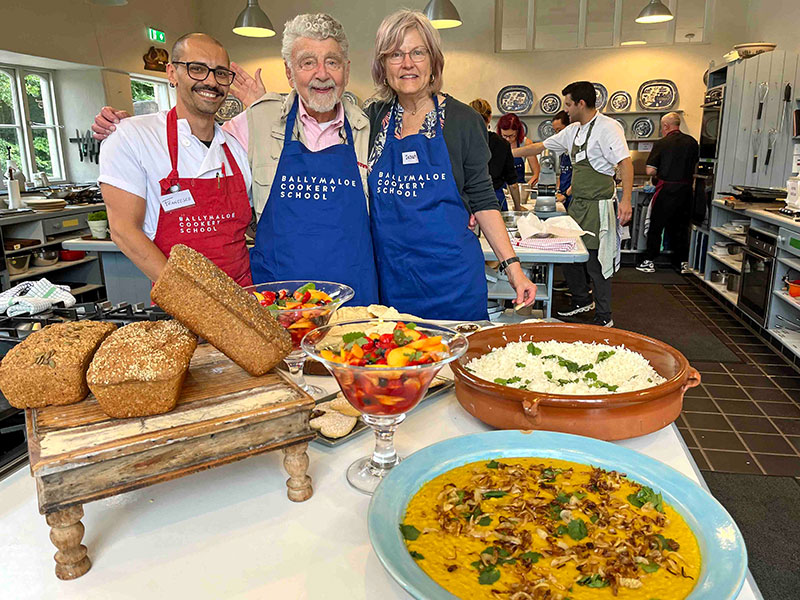
Susan, the birthday girl who was our reason-for-being at Ballymaloe, arranged an intensive afternoon of culinary instruction for our group of 20. After marveling at the wonders of the organic farm and absorbing an hour-long classroom demonstration of technique, it was all-hands-on-deck (and in the mixing bowls) as we divided into a trio of teams to prepare and share a fabulous, multicourse feast for dinner. My plant-based group, under the expert tutelage of Chef Francesco, confected a cornucopia of gustatory delights: seed-strewn whole-grain breads, a savory red-lentil dal, aromatic basmati rice, crunchy papadums, and a lavish, Italian-style fresh-fruit salad. Voilà! Behold the results:
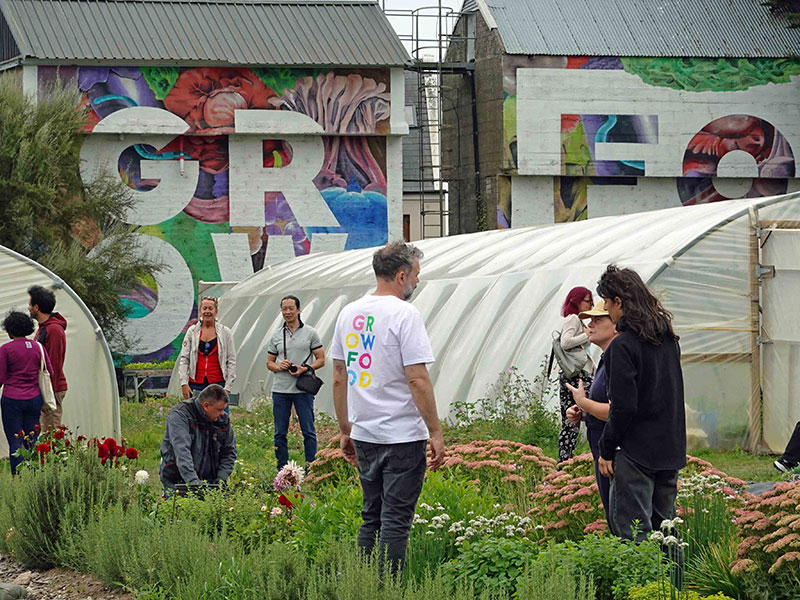
In 2023 Darina inaugurated Ballymaloe Organic Farm School to serve as a pedagogical complement to the cookery school. In this case the classroom is outside the kitchen in the vegetable fields, orchards, glasshouses, barns and meadows. The farm school’s aim is “to educate and empower people in sustainable food production, regenerative farming and climate-positive living”, combining practical skills such as composting and beekeeping with “expert teaching on soil health, biodiversity, food systems and climate change.” The pithy motto worn by the school’s faculty on t-shirts and writ large on the garden’s walls sums it up: “Grow food”.
With that wise admonishment I’ll sign off. We’ll meet again just before Thanksgiving. Happy harvest!
Horticulturally yours,
Daniel
- Opening lines of “The Wild Swans at Coole” by Irish poet William Butler Yeats (1865-1939), awarded the Nobel Prize in Literature in 1923.
- As defined in Merriam-Webster.
- Myrtle Allen in 1975 became the first female chef in Ireland to be awarded a Michelin star. Her youngest daughter, Fern Allen, supervises the operation today as house manager. Fern’s sister-in-law Darina founded the Cookery School in 1983 and the Organic Farm School in 2023.
- Only 11% of Ireland’s land area is forested, as opposed to Finland’s 74% and the European Union average of 39%. On a more positive note, in the 22-year period ending in 2022, Ireland increased its timber stock by more than 160%, five times the EU average of 33%. Click here for details.