
On the Nature of Things: In the Wake of the Wind (Emerald City to Emerald Isle, Part III)
November 2025
When o’er the cultured lawns and dreary wastes
—Erasmus Darwin 1
Retiring Autumn flings her howling blasts,
Bends in tumultuous waves the struggling woods,
And showers their leafy honors on the floods,
In withering heaps collects the flowery spoil,
And each chill insect sinks beneath the soil
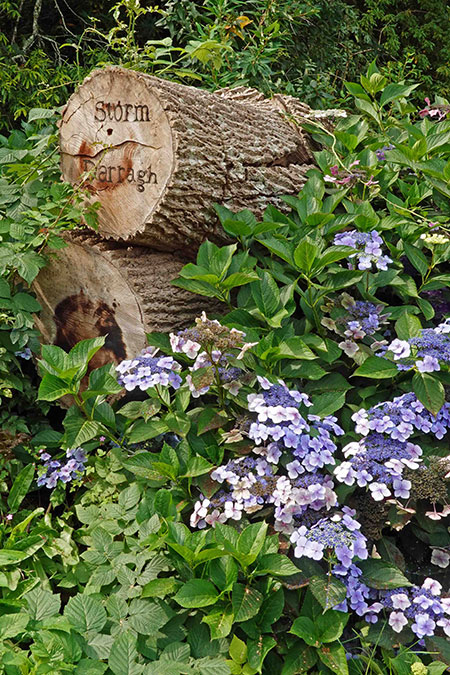
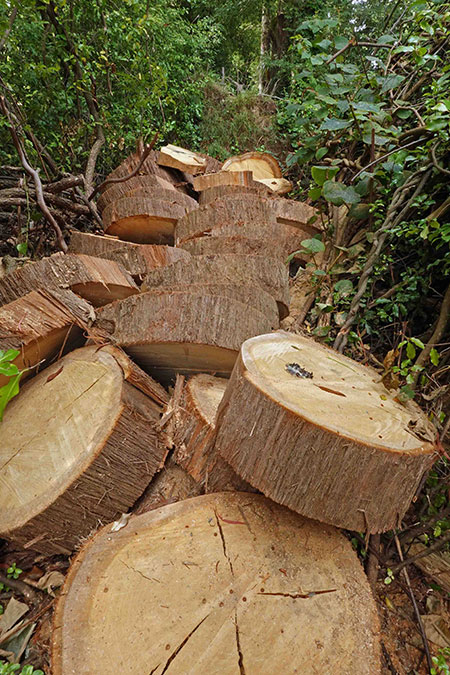
Last month’s segment noted the stress on Ireland’s flora caused by record heat and drought in spring and summer 2025. As if that weren’t enough, the Irish are still reeling from the wallop rendered by two extratropical cyclones last winter: Storm Darragh in Dec. 2024, followed seven weeks later by Éowyn, the strongest windstorm in the island’s recent history, which felled untold numbers of trees in forests, parks and gardens. (It’s estimated that the latter storm flattened 60,000 acres of woodland in the Irish Republic.) We saw abundant evidence of this double whammy in nearly every garden we visited.
Despite being subjected at times to such intemperate tempests, the Emerald Isle has been considered one of the most favored spots in the Northern Hemisphere for growing woody plants of cosmopolitan provenance since the great collectors began in earnest more than 300 years ago to gather and ship vegetative specimens around the globe. In today’s column we’ll visit a trio of Ireland’s most prominent collections of such material, one in the capital metropolis, the other two in the nearly frost-free climes of County Wicklow around 40 miles south of Dublin. The first pair, Glasnevin and Kilmacurragh, constitute the National Botanic Gardens of Ireland, and as such are open 364 days a year, free of charge to visitors. The third, Mount Usher, is in private hands but also open to the public (for a fee) year-round. Through all three of these hallowed gardens wafts a wind of a more benign sort: the immortal spirit of legendary Irish landscape designer and writer William Robinson2.
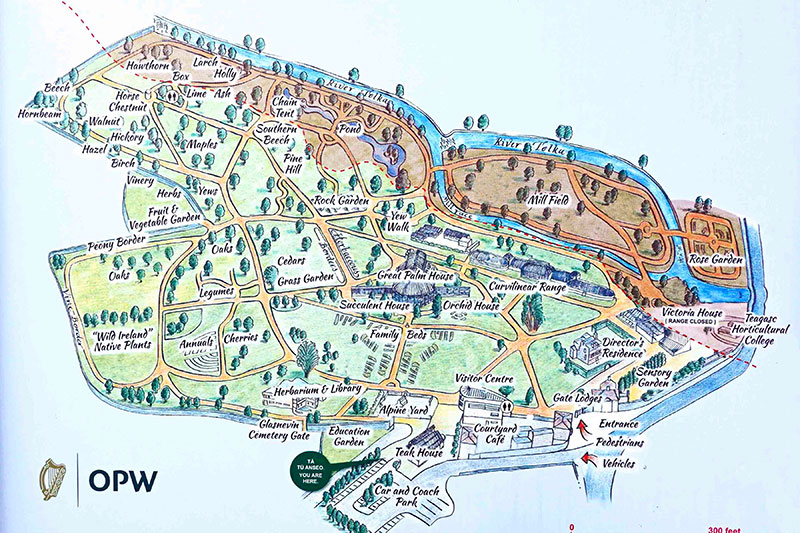
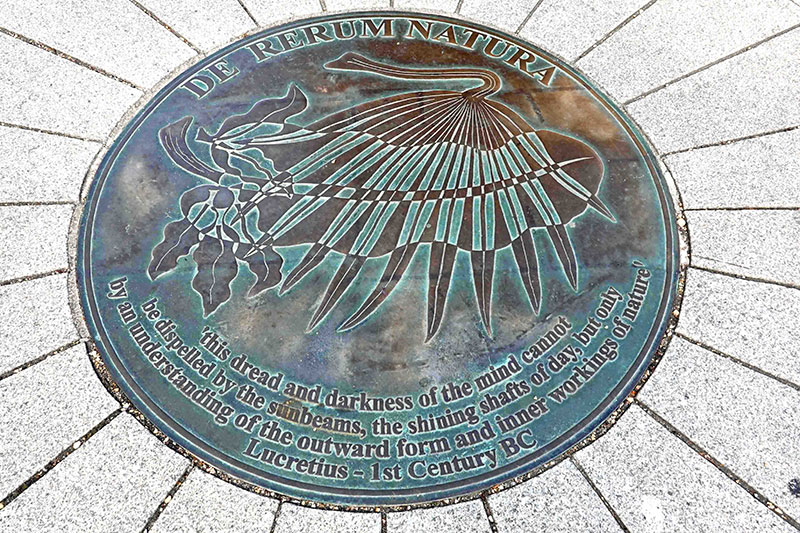
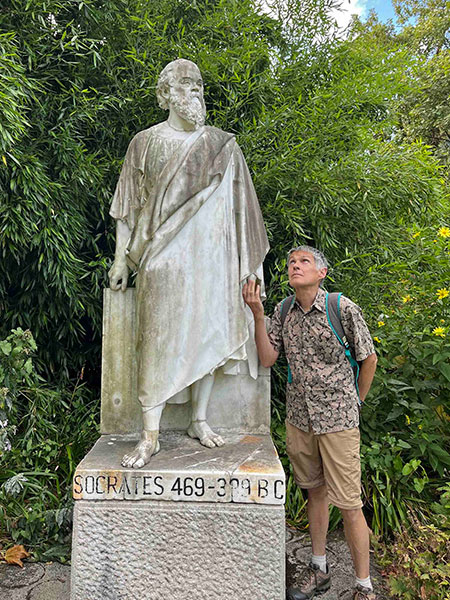
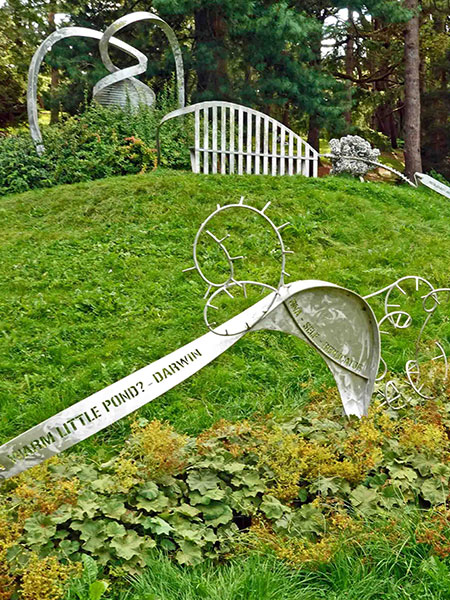
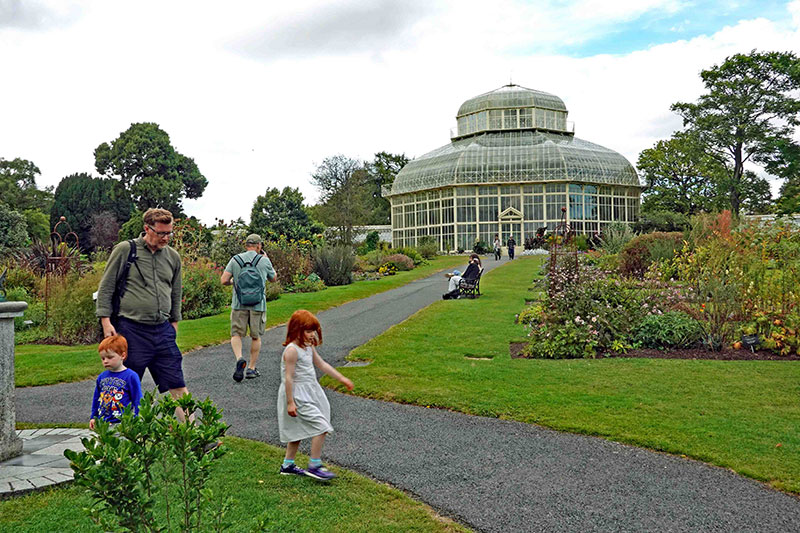
Glasnevin—The central campus of the National Botanic Gardens is so beloved by Dubliners that they affectionately dub it “the Bots”. Founded in 1795 on a 50-acre plot along the River Tolka in the neighborhood of Glasnevin, less than two miles from the center of the capital city, their mission is to “explore, understand, conserve and share the importance of plants.” Glasnevin is where Robinson got his training before setting off across the Irish Sea to take London by storm. Education is key: The National Herbarium is here, along with a DNA research lab and the College of Amenity Horticulture. Emanating from the very ground is an essence of science and philosophy. At the garden’s entrance, visitors step across a bronze plaque that quotes Lucretius’ De Rerum Natura (On the Nature of Things); engaging sculptures both classical and contemporary greet the public and invite a colloquy.
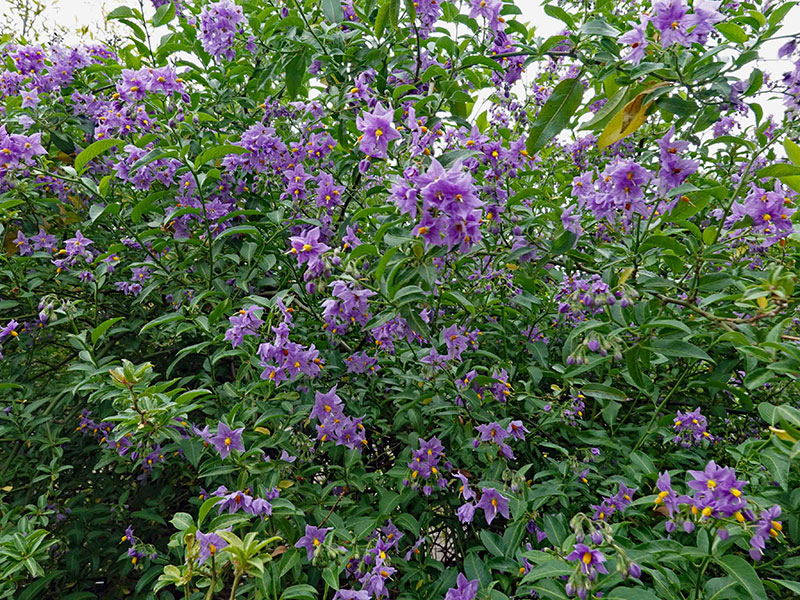
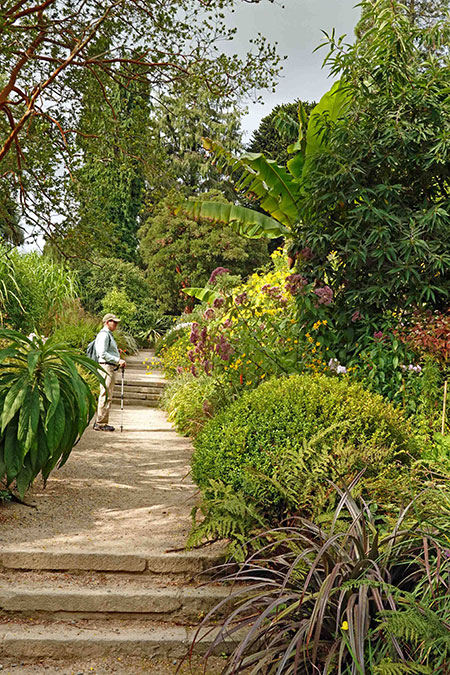
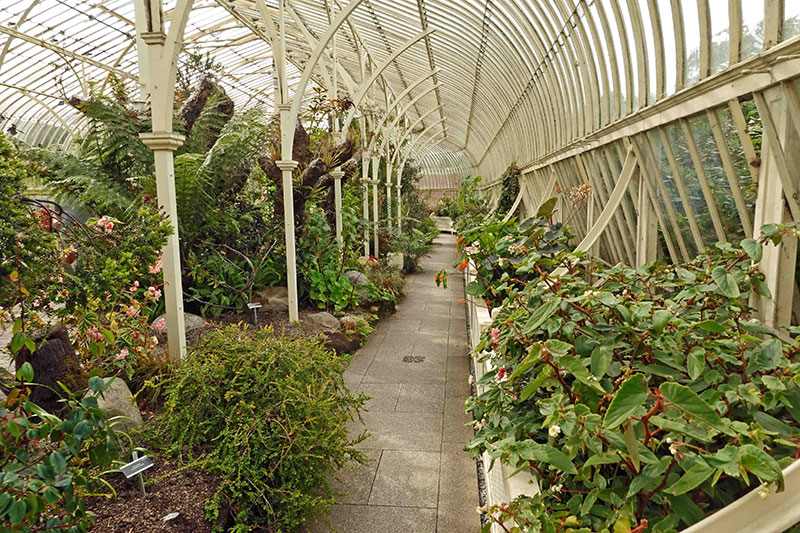
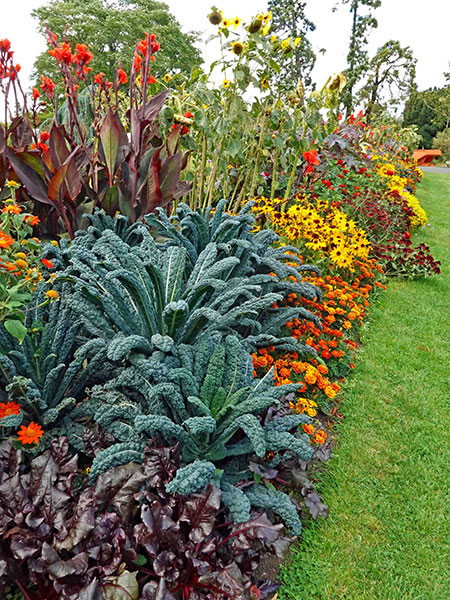
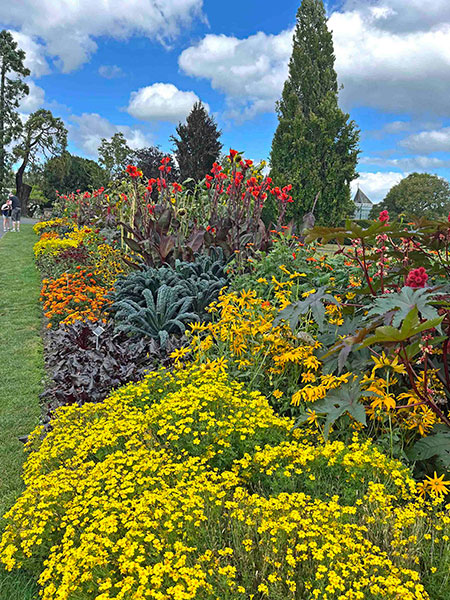
What about the plants? Glasnevin grows 17,000 taxa—including more than 300 endangered species—hailing from all points of the compass. (New varieties of exotic flora have popped up here: Since 2009 I have grown the profusely flowering, South American vining shrub Solanum crispum ‘Glasnevin’.) Taking pride of place at the center of the garden are two sets of fully restored, Victorian-era glasshouses, the majestic Great Palm House, erected in 1884 with a central height of 20 meters (66 ft); and the elegant, one-of-a-kind, cast and wrought-iron Curvilinear Range, finished in 1869 and designed by Dublin’s native son Richard Turner.3 Although the bulk of the campus is a vast arboretum, select beds offer riots of color in seasonal rotation. Not only a feast for the eyes but also for the stomach, they often spotlight ornamental edibles. On the whole, Glasnevin ranks among the most pleasing botanical gardens of the hundreds I have visited on all the inhabited continents of the planet.
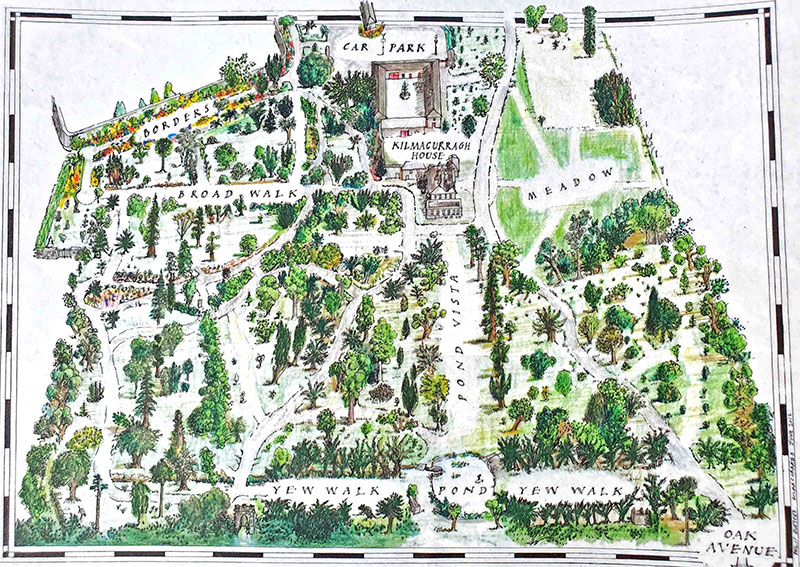
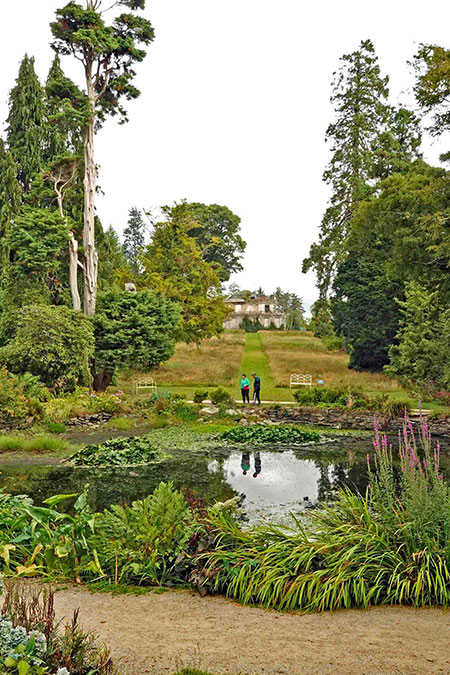
Kilmacurragh—“Arguably the most exciting large garden” in Ireland, writes Shirley Lanigan4 about Kilmacurragh in fertile County Wicklow, about an hour’s drive south of Glasnevin. Established by Thomas Acton more than 300 years ago, the garden functioned as an informal adjunct to Glasnevin for most of the last 200 years, as several generations of the Acton family worked closely with David Moore and his son Frederick, directors of the NBG in Glasnevin, to grow woody plants here deemed unsuitable for the Dublin area due to soil and climate conditions. After several decades of neglect, ownership of Kilmacurragh passed to the Irish State in 1976. Restoration of the arboretum followed and in 1996 the treasured tract gained official recognition as the second campus of the NBG. Since 2006 its 52 landscaped acres have been overseen by Head Gardener Seamus O’Brien, who gave a riveting talk to NHS members in Seattle in April of this year.
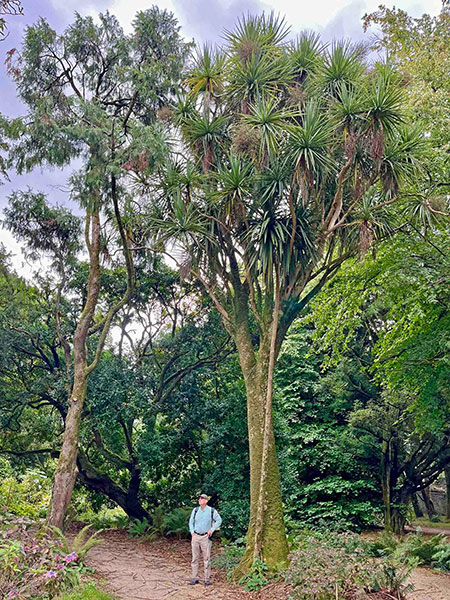
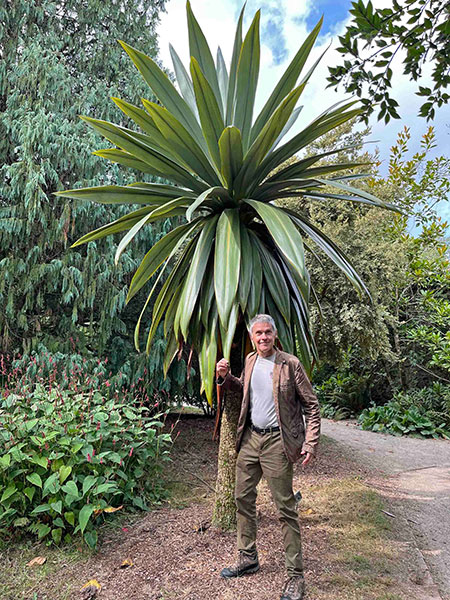
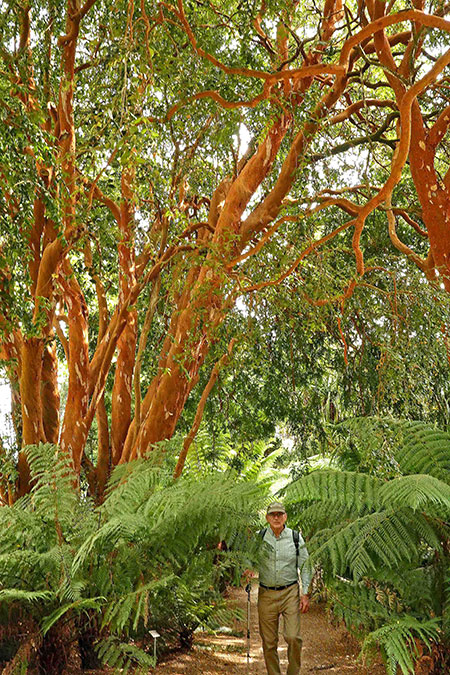
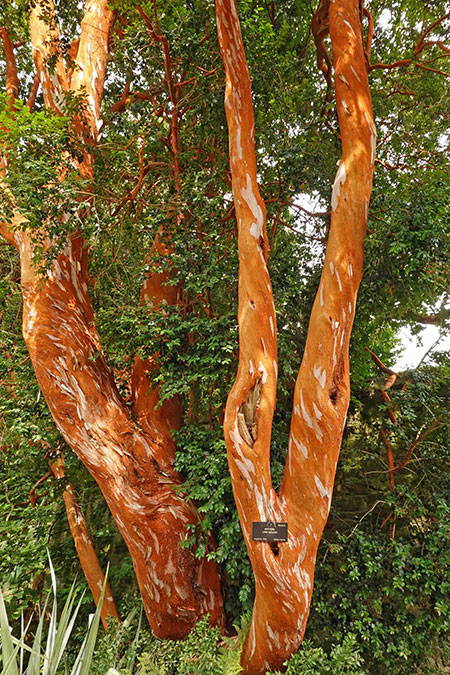
Tree lovers of the world, take note: Kilmacurragh is a Valhalla for dendrophiles. To quote Lanigan again, “There are so many of the biggest, tallest, widest, first-to-flower-in-the-Northern-Hemisphere, rarest and most impressive specimens found throughout” the premises. Notable collections hail from remote regions of China, the Himalayas, Australia, New Zealand, Chile, Argentina and California. One of my favorite vignettes was an allée of century-old, glowing, auburn-trunked Luma apiculata trees looming above ranks of Dicksonia antarctica ferns. Particularly popular each April are the 420 varieties of rhododendrons (some of them eye-poppingly massive) representing 180 species, including the aptly named Rhododendron grande. Sadly, Darragh toppled about 120 trees here, including a colossal silver fir (Abies alba) planted in 1790.
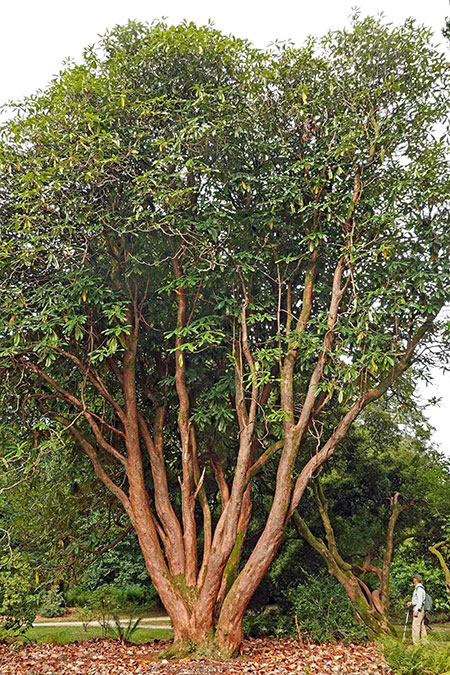
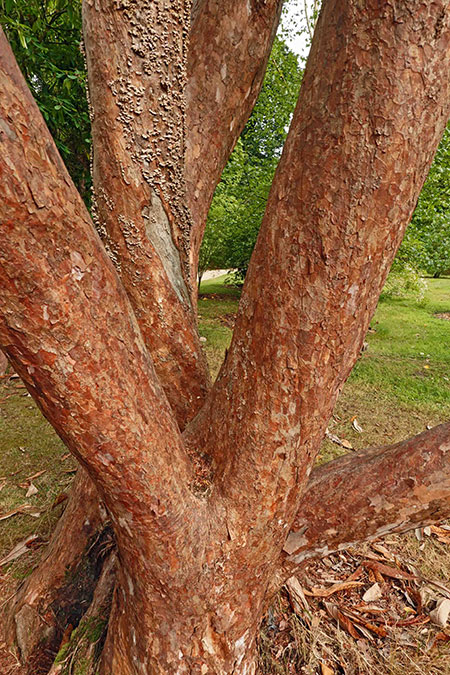
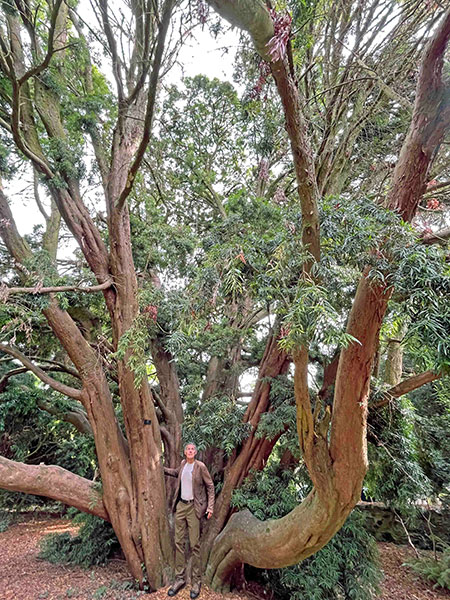
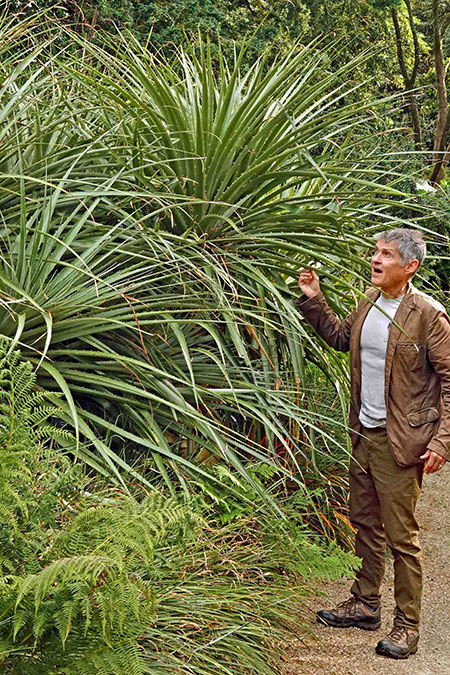
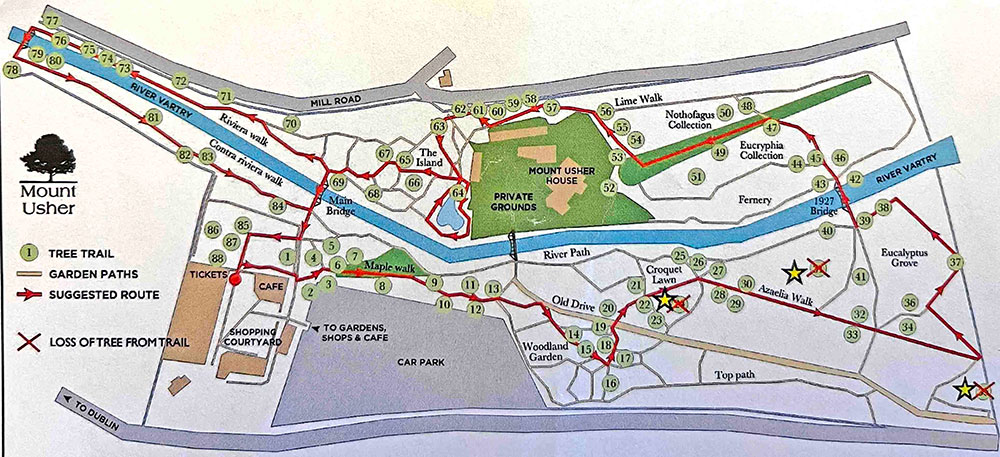
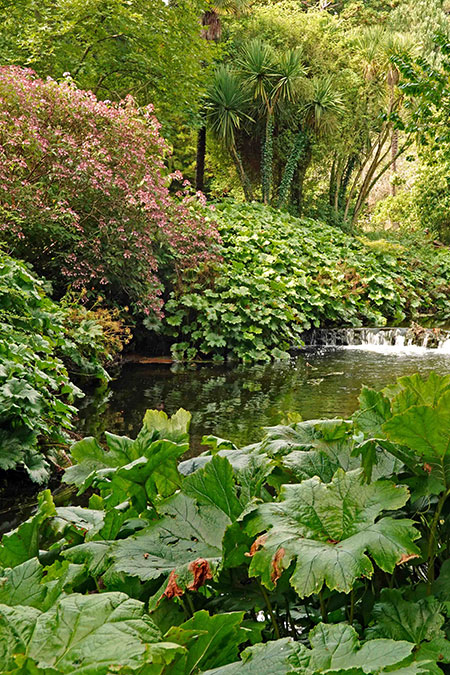
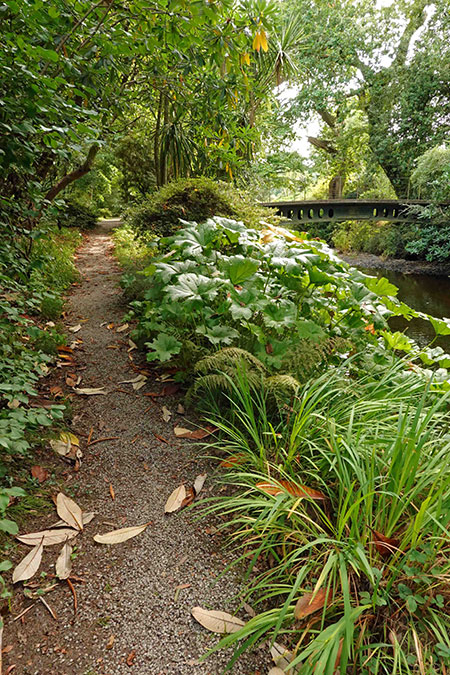
Mount Usher Gardens—In the bucolic County Wicklow village of Ashford, just eight miles north of Kilmacurragh, this storied garden established by the Walpole family in 1868 packs a world into an elongated, 22-acre rectangle bisected by the shallow River Vartry. One of the prime examples of the naturalistic style of gardening promoted by Robinson, Mount Usher was twice voted “Best garden to visit in the Republic of Ireland” by readers of BBC’s Gardeners’ World magazine. A designated Tree Trail (a 1.2-mile loop) highlights 88 towering and magnificent cosmopolitan specimens, many more than 100 years old, lining pathways both broad and narrow that flank the banks of the babbling brook. Sadly, several exemplars were downed by the devastating storms noted above: Storm Darragh felled the garden’s monumental Mexican blue pine (Pinus montezumae), among other titans.
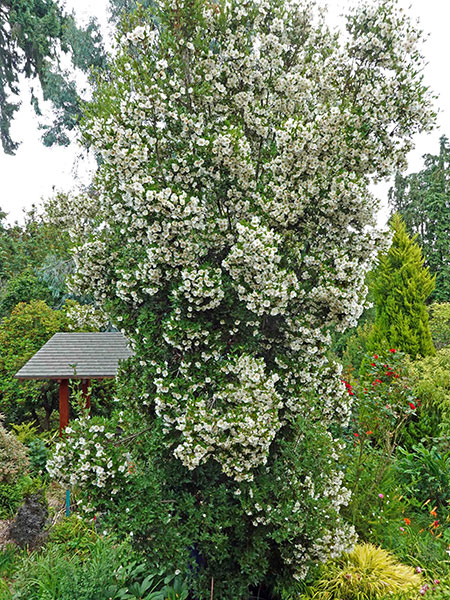
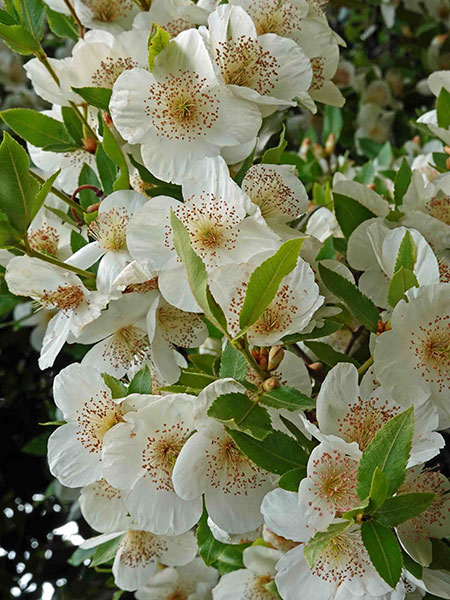
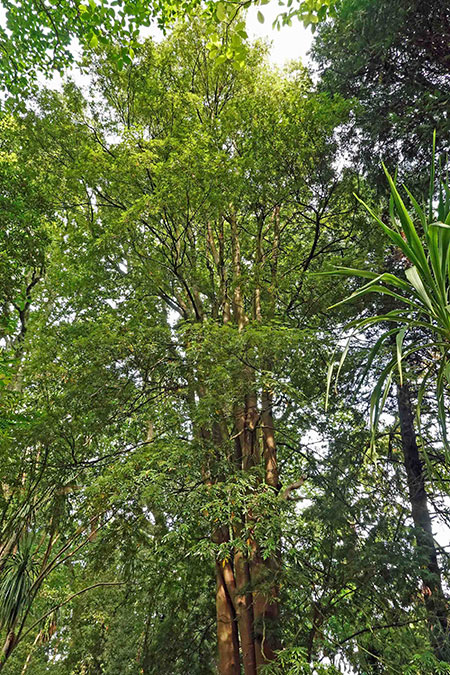
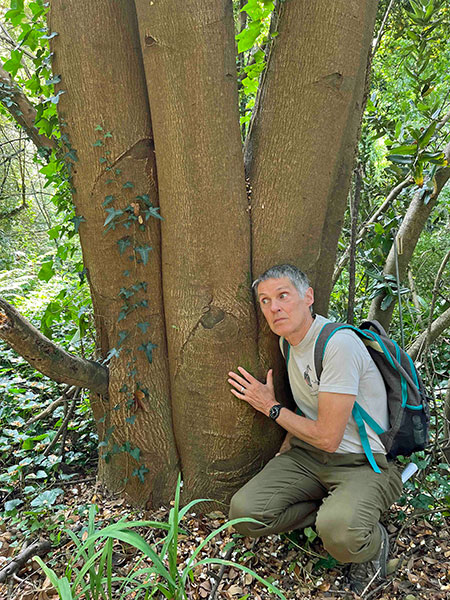
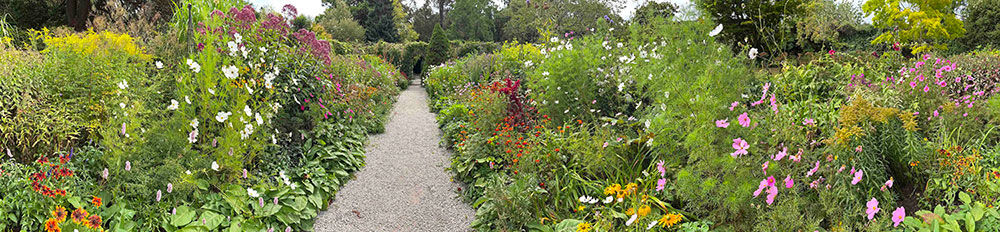
Mount Usher hosts the Irish National Collections of Eucryphia and Nothofagus, so I was saddened to see that destruction also befell several of their champions. Among the motivators for my visit was the wish to pay respects to one of the most prized plants in my own garden, Eucryphia × nymansensis ‘Mount Usher’, which debuted here in 1927. Alas, I could not find any remaining specimens of it. Much of the vaunted eucryphia section was in disarray wrought by the wicked winds, although I was relieved to find the record-holding, 85-year-old E. moorei still in fine fettle. At the end of my brief sojourn here I took solace in the voluptuous exuberance of the double herbaceous borders brimming over with cosmos and eupatorium, rudbeckia and solidago, all shimmering softly in the caress of a late-August breeze.
Thus concludes the third and final act of our Irish adventure. We’ll meet again at year’s end.
Horticulturally yours,
Daniel
- Lines 199-204 of Erasmus Darwin’s The Botanic Garden, Part II, Containing the Loves of the Plants, A Poem with Philosophical Notes (Dublin: J. Moore, 1796). Erasmus Darwin (1731-1802), the grandfather of naturalist demigod Charles Darwin, translated the groundbreaking works of Swedish botanist Carl Linnaeus from Latin to English, and in the process coined the English names of many commonly grown plants.
- William Robinson (1838-1935), the foremost proponent of naturalistic garden design, railed long and loud against the formal strictures of Victorian gardening. His two major books on the topic, The Wild Garden (1870) and The English Flower Garden (1883) are still widely read and followed today. The UW’s Miller Library has lending copies of these and many other books by and about Robinson.
- Turner built two iconic London glasshouses: Kew Gardens’ Palm House, opened in 1848 and still going strong (but if you want to see it soon, you must hurry, as it will close in 2027 for a 5-year renovation project), and the Winter Garden at Regent’s Park, Europe’s first greenhouse that was open to the public. Completed in 1846, it was dismantled in 1932.
- Shirley Lanigan’s essential book, The Open Gardens of Ireland (Kilkenny: Butter Slip Press, 2024) has been called “the most comprehensive guide ever to the gardens of Ireland.” It describes and reviews 375 properties across every county of the Republic of Ireland and Northern Ireland.