
Web of Wonders: A Taranaki Trio of Gardens
May 2025
Wonder is one of my core values.
—Selina Tusitala Marsh1
Wonder sits in the twelfth house of the soul
and the unconscious.
Lately I’ve found myself enmeshed in wonder: When will our weather warm and break out of its premature Juneuary2 gloom? Will the distressingly frayed fabric of our social contract hold, or will it rip, plunging us all into the abyss? But these dire aspects of wonder, as in “a feeling of doubt or uncertainty; an attitude of perplexed or bewildered curiosity; a state of fascinated or questioning attention before what strikes one as strange beyond understanding” usually yield to the word’s more majestic and uplifting facets, such as “a cause of astonishment; a miracle; something unusually effective; a feeling of amazed admiration aroused by the extraordinary3.” This latter sort of wonder enveloped me in February at the onset of my exploration of Aotearoa New Zealand’s North Island when I stumbled upon a constellation of awe-inspiring public gardens in the Taranaki region.
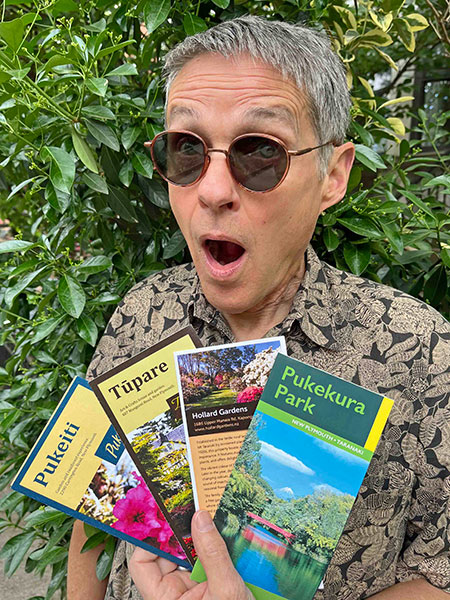
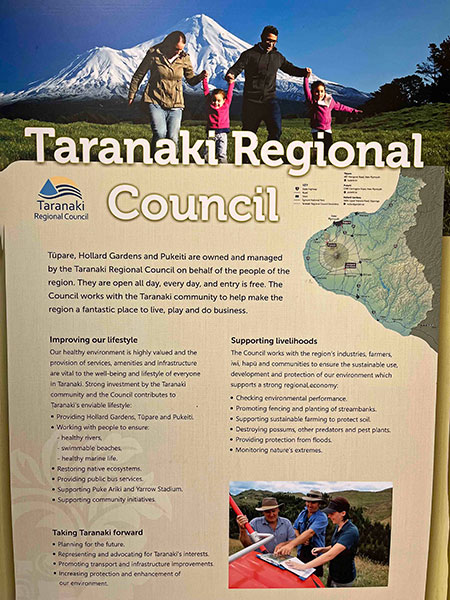
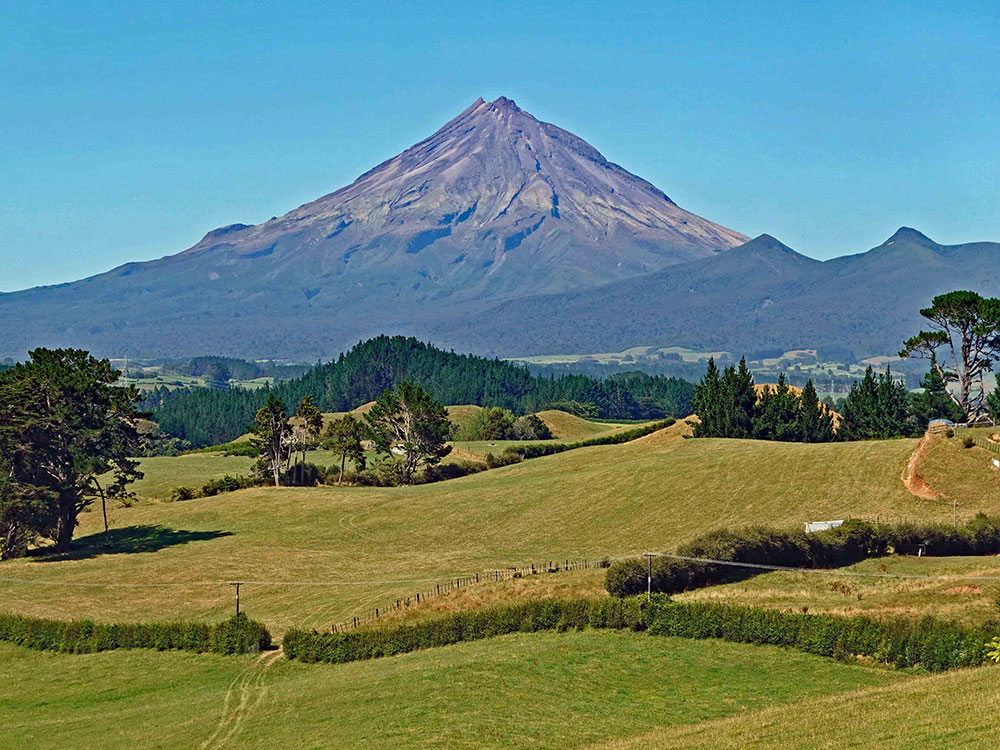
Named for the stunning cone-shaped stratovolcano that dominates the western corner of the island, Taranaki4 is among the smallest of New Zealand’s 11 administrative regions, and its population of 130,000 is only 2½ percent of the country’s total. Yet the Taranaki Regional Council owns and manages Tūpare, Pukeiti and Hollard Gardens, three of the loveliest public gardens I have visited. Each is not only well maintained but also open to visitors around the clock and free of charge. As icing on the proverbial cake, the region’s largest town, New Plymouth —in 2021 named world’s most livable city for its population size by the International Awards for Liveable Communities— boasts the wondrous amenity of Pukekura, which does double duty as comprehensive city park and well-curated botanical garden. Let’s explore them!
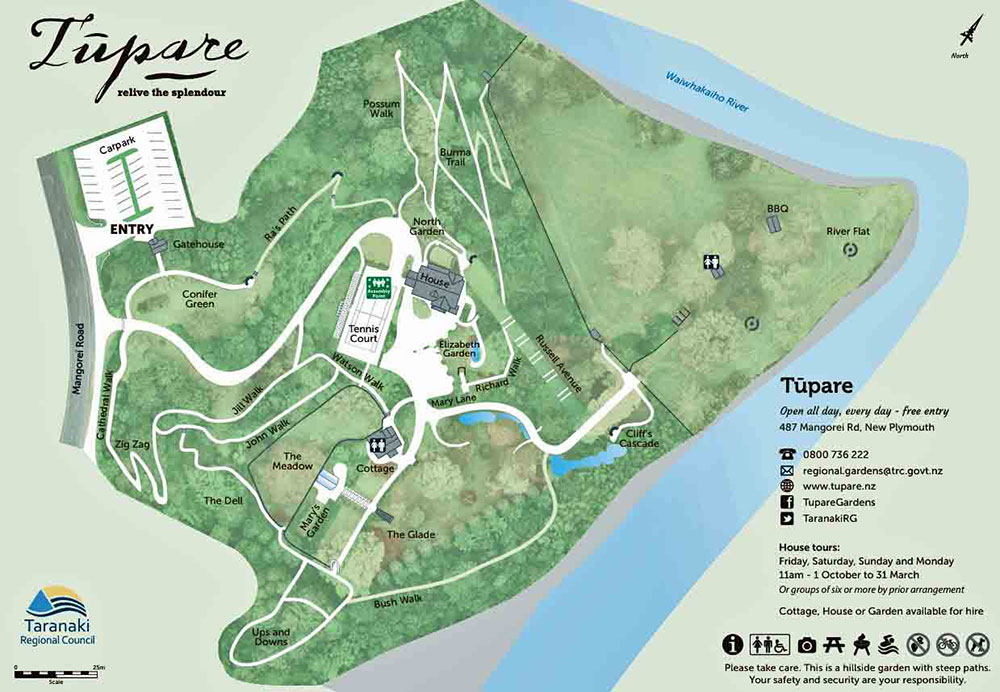
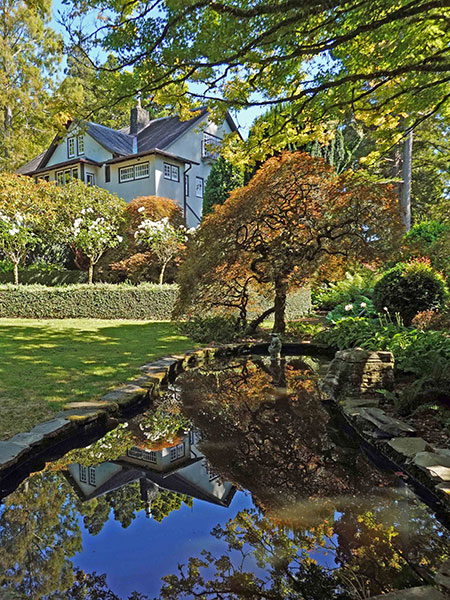
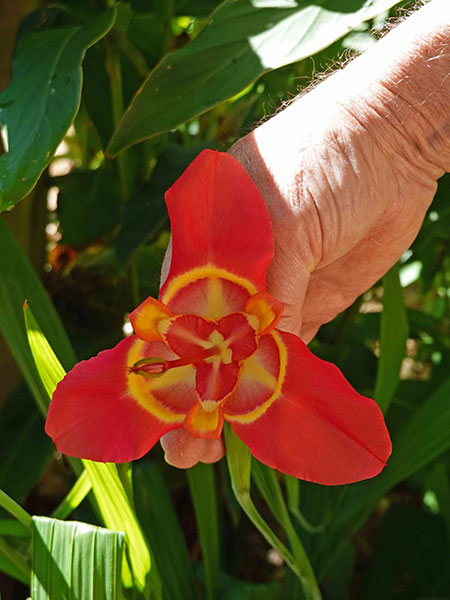
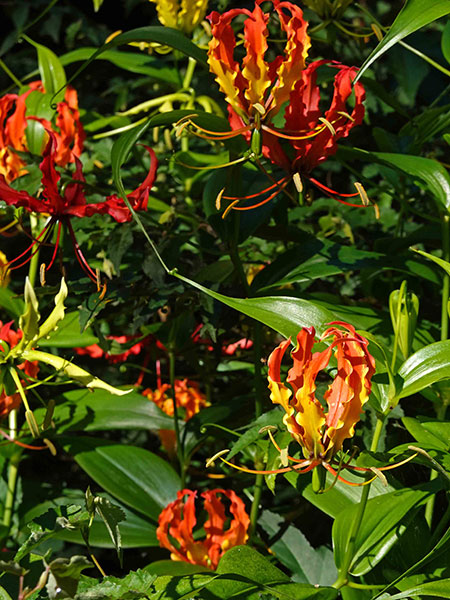
Tūpare —Perched on a triangular slope above the Waiwhakaiho River at the southern fringe of New Plymouth, the 9-acre jewel-box tract was established as an estate garden in the early 1930s, reclaimed from logged-over, gorse-infested slopes. The garden’s slogan, “Relive the Splendour”, refers to its centerpiece, the architecturally significant and fully restored Arts & Crafts-style mansion around which the gardens were developed. It is designated as a Garden of International Significance (the highest rank) by the New Zealand Gardens Trust, which rates more than 100 of the country’s top public and private gardens. The cosmopolitan plantings include colorful exotics such as masses of tigridia and gloriosa lilies, many varieties of rhododendron and hydrangea as well as dozens of mature specimen trees and a restored native forest. (Click here for the plant list.) Tūpare is the Māori name for Macrolearia colensoi, a native shrub also called “leatherwood”.
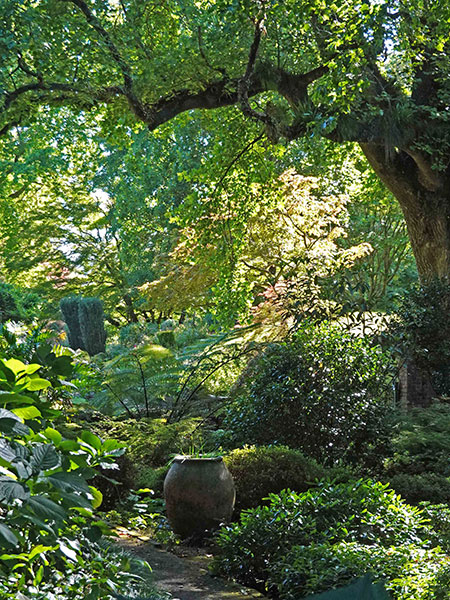
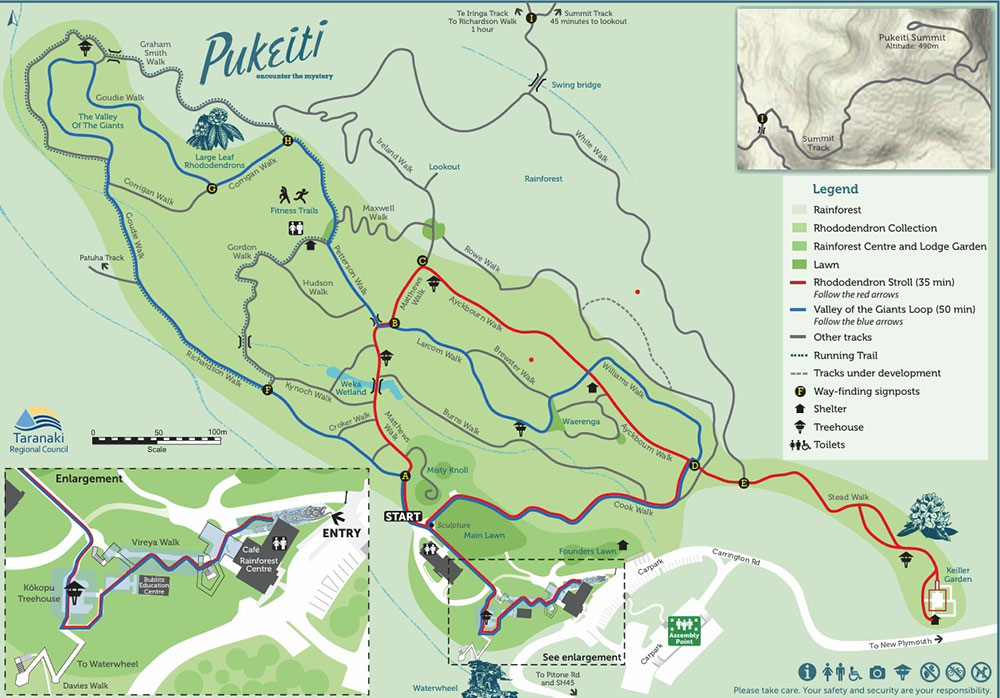
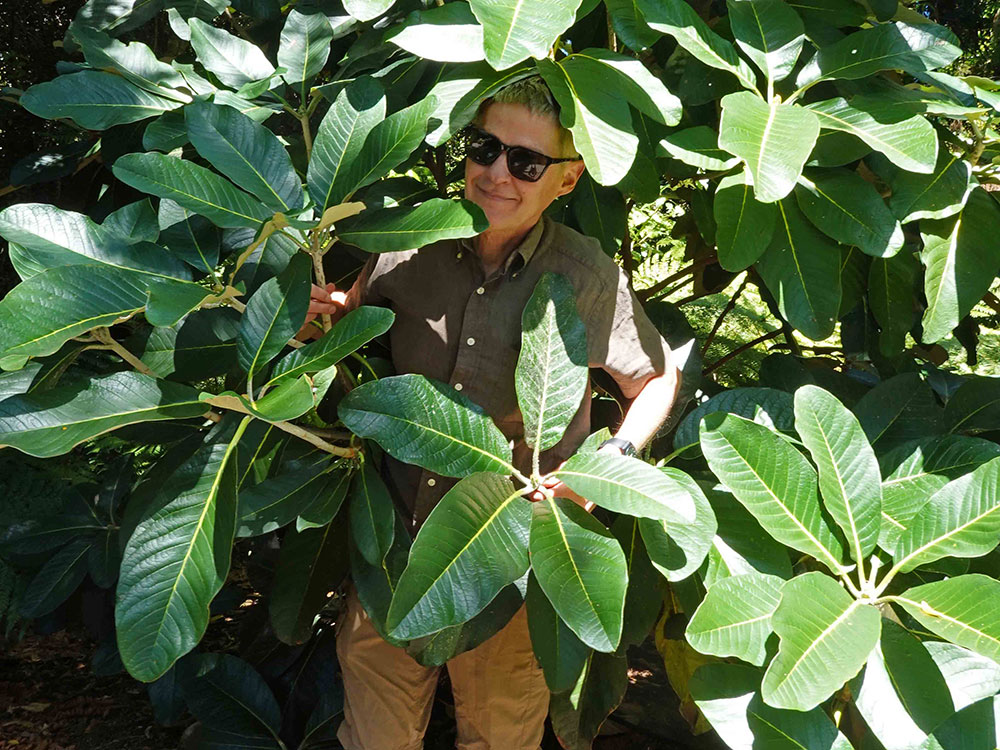
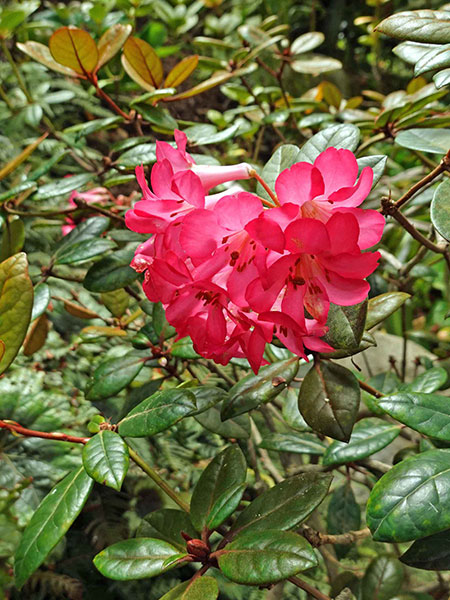
Pukeiti —Up in the foothills 15 miles from the center of town, Pukeiti’s 64 acres of gardens (set within 890 acres of native rainforest) is best known for housing one of the southern hemisphere’s most significant rhododendron collections. However, its slogan, “Encounter the Mystery”, points to its astonishingly diverse collections of herbaceous plants and bulbs in addition to eye-popping specimens of native shrubs and trees, all looking fat and sassy due to the site’s ultrarich volcanic soil paired with staggering precipitation, which measures between 120 and 160 inches annually. My visit in ANZ’s midsummer yielded precious few rhodie blossoms (with the exception of everblooming tropical Vireya types), but the huge foliage on towering specimens of endangered species in the Valley of the Giants Walk (such as the aptly named Rhododenron excellensand R. magnificum) more than compensated, as did a mindbogglingly massive Fuchsia excorticata, a native tree (by far the world’s largest fuchsia species) that reaches up to 50 feet in height. Click here for the plant list. Pukeiti means “little hill” in Māori.
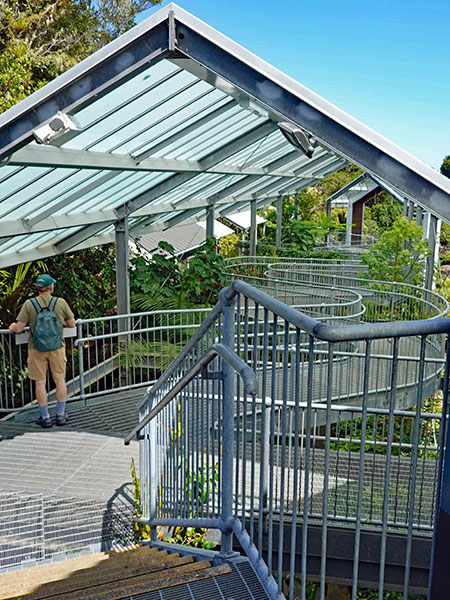
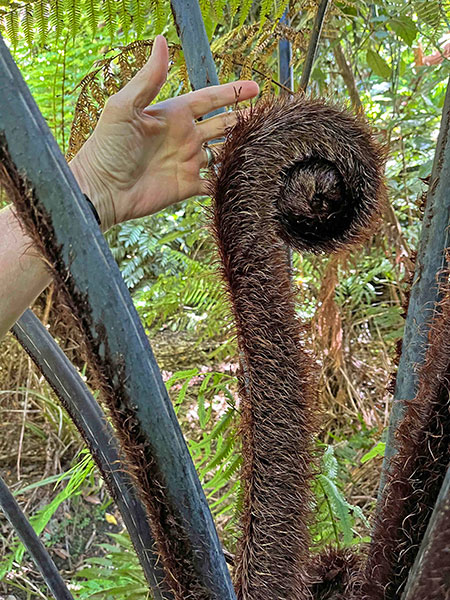
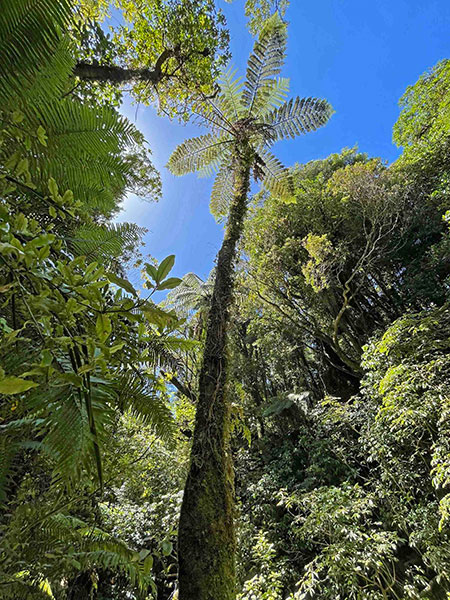
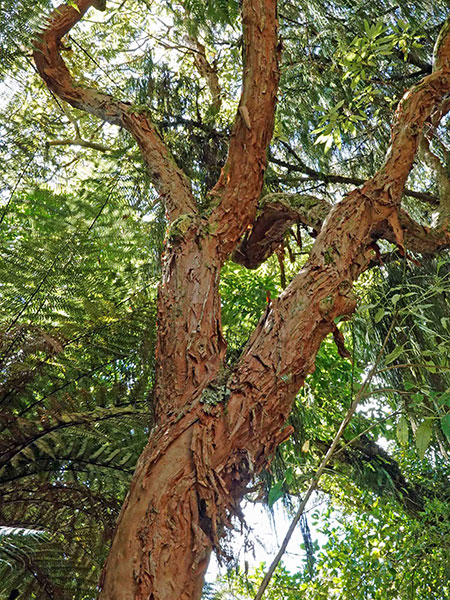
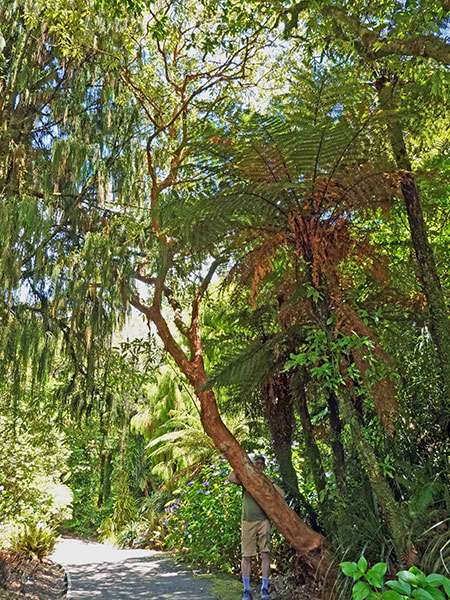
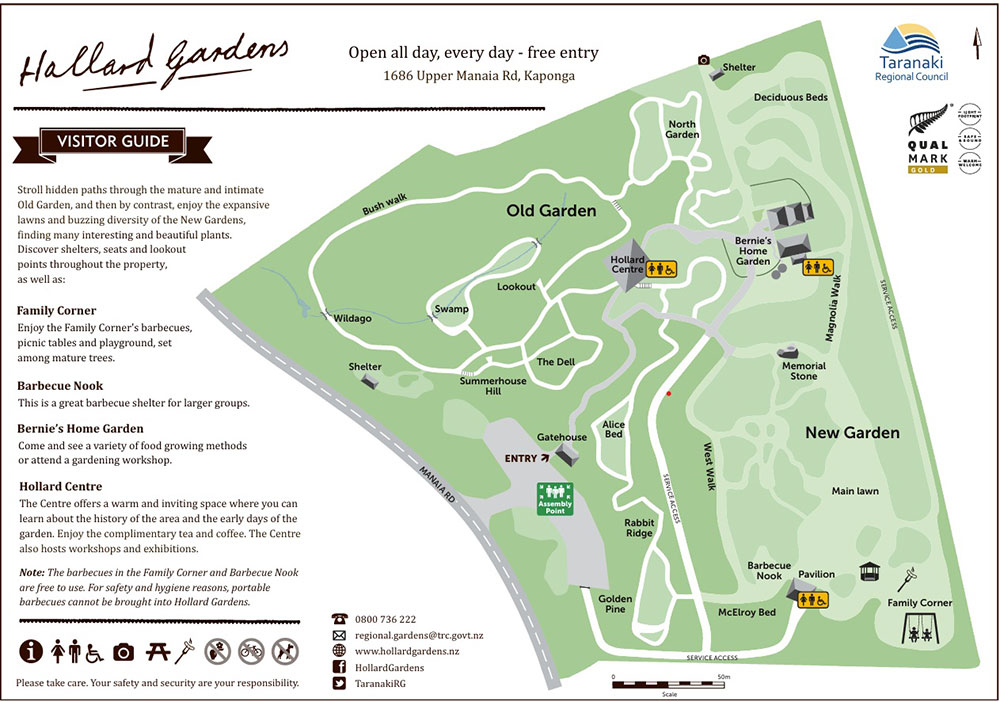
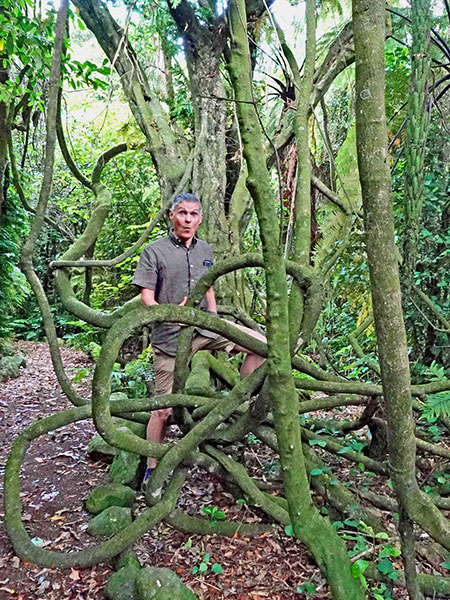
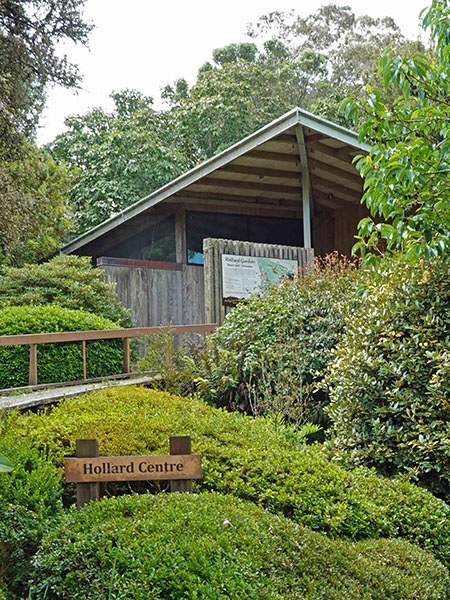
Hollard Gardens —At the southern end of the Taranaki web 30 miles south of town is this 11-acre botanical oasis surrounded by vast emerald fields of dairy farms. Born 98 years ago when Bernie and Rose Hollard began devoting portions of the farm to their passion for plant breeding, the charmingly designed plot houses a botanical collection of national importance in woodlands, a swamp, sunny display beds and a “food forest”. Although Bernie died in 1996 at age 92, his legacy is palpable in the garden’s many unexpected quirks and curiosities that distinguish this place and give it a bit of a magical air. Apropos wonder, upon rounding a bend in the “Wildago” section of the native bushwalk I was stopped in my tracks by what appeared to be a monstrously large wooden sculpture of a writhing mass of oversized anacondas. A plaque informed me it was a 200-year-old living specimen of the native Passiflora tetranda, the New Zealand passionflower. Donated to the public in 2002, Hollard Gardens also features an educational center focused on environmentally conscious food-growing methods as well as a formal Woodlands School for children. Click here for the school’s study guide and here for the garden’s plant list.
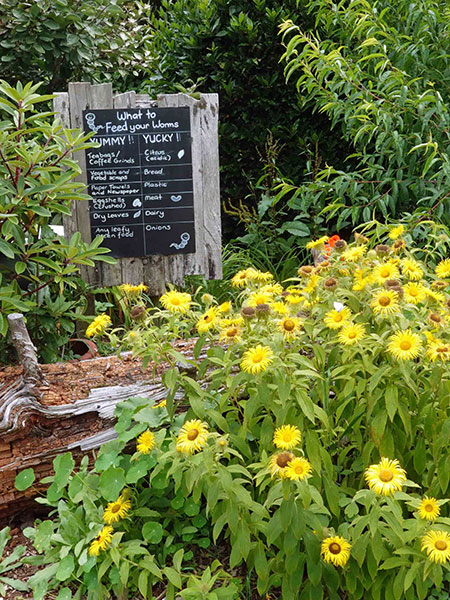
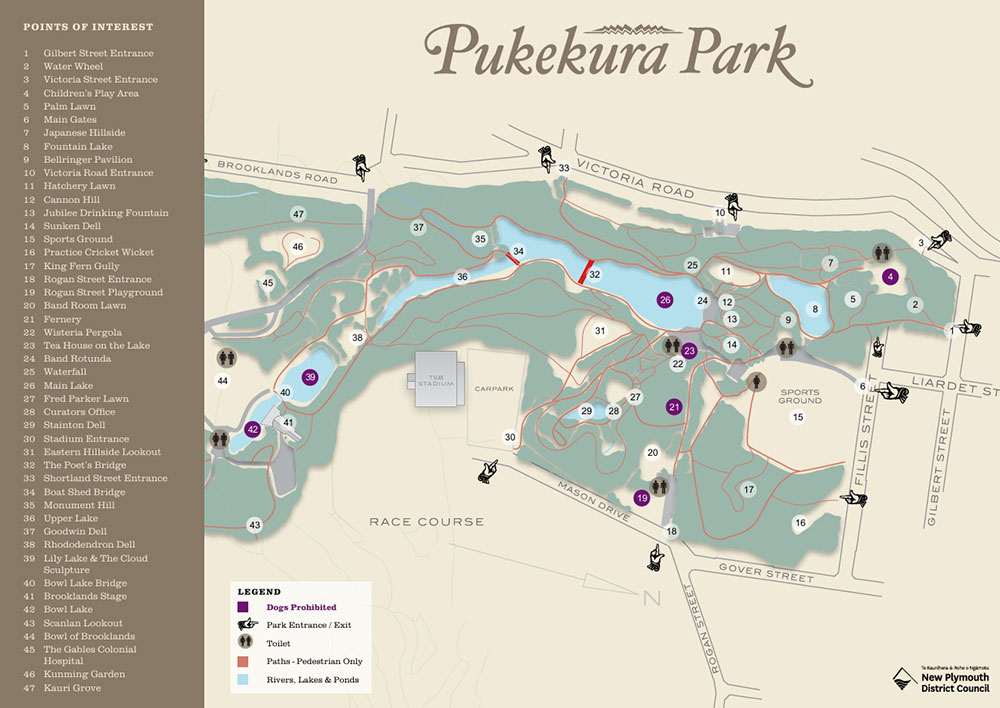
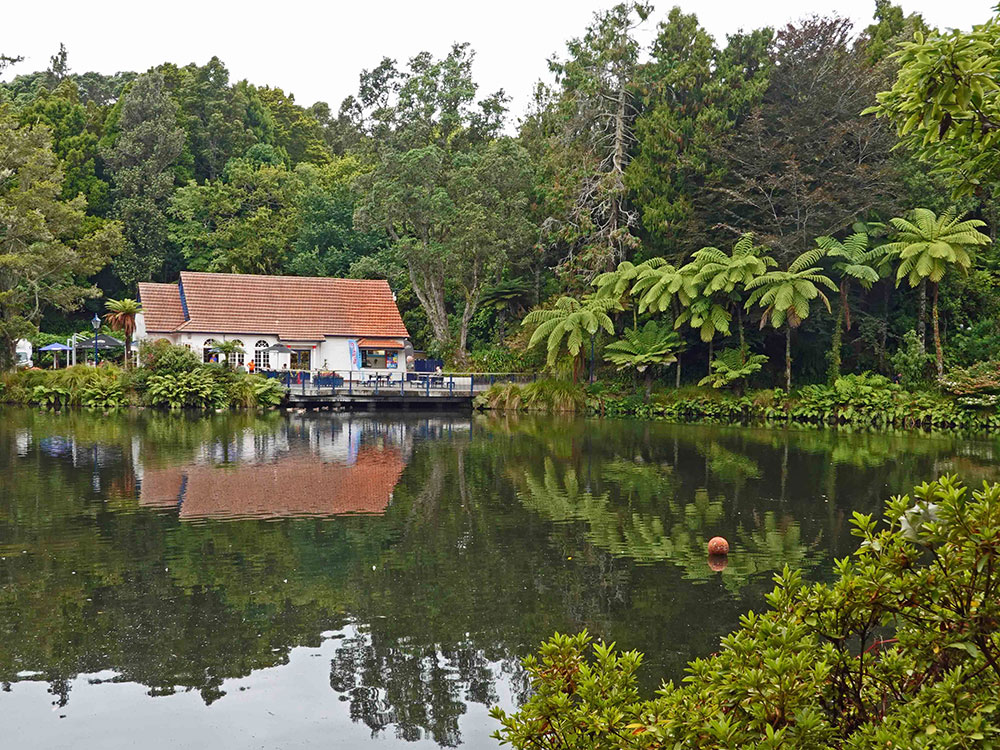
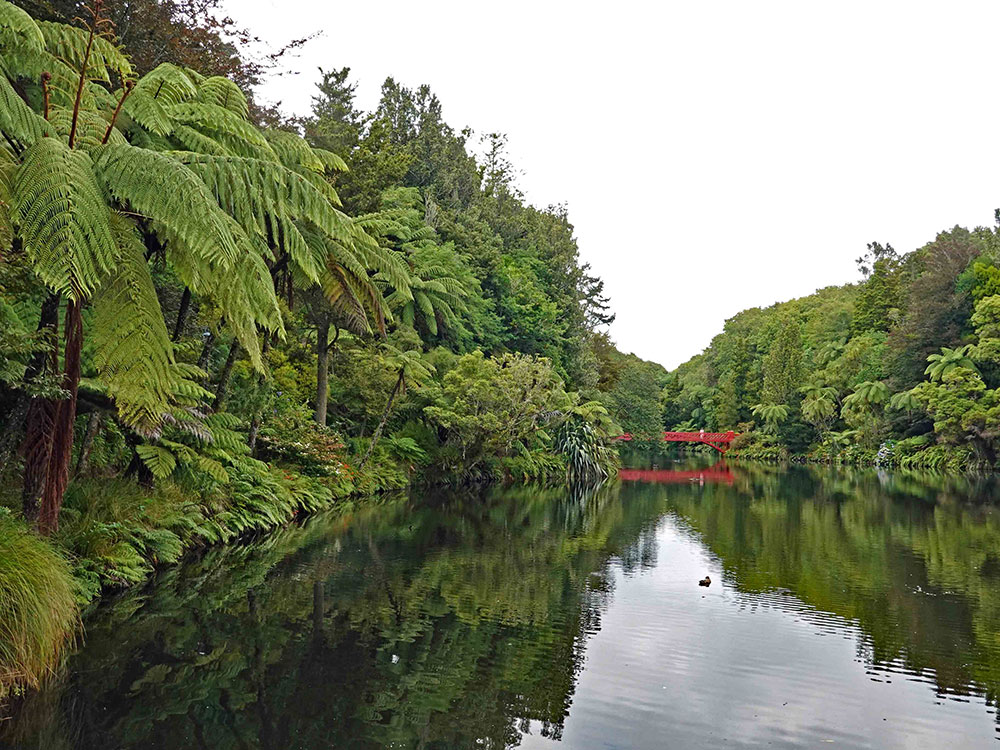
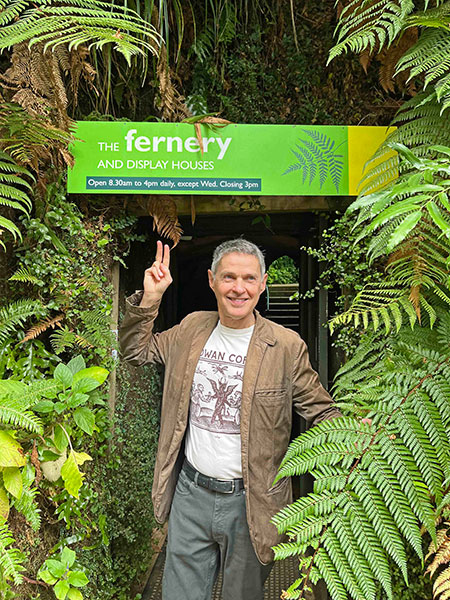
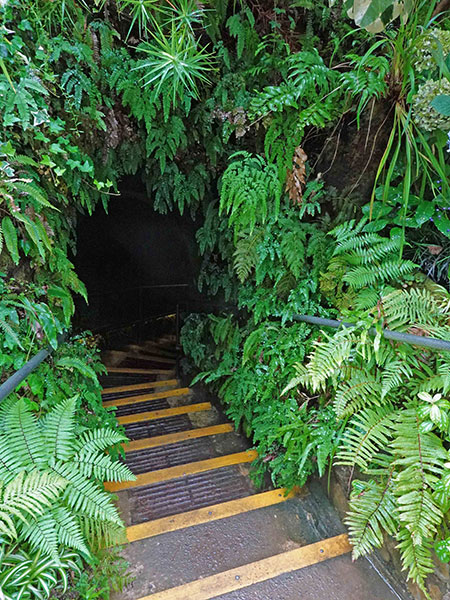
Pukekura Park —Unlike the trio above, Pukekura Park is owned by the city of New Plymouth and takes pride of place near its heart. Now resplendent as one of the country’s most significant botanical gardens, Pukekura’s evolution from barren swampy valley to horticultural mecca began in 1876. Gradually expanding to encompass 130 acres, the park seems even larger due to its elongated, serpentine shape, its lake-filled center flanked by fern-studded gullies, lush leas, formal display beds, native bush, mature mixed forest and endangered plants of the Taranaki region. Meriting a special shout-out is The Fernery, a century-old (and recently restored) complex of three glass-topped, excavated caverns brimming over with thousands of ferns as well as heaps of begonias, bromeliads, fuchsias, gesneriads, orchids and other tropical exotics. Pukekura means “red hill” in Māori.
With this concluding segment of our quartet of Kiwi-inspired musings in Horticulturally Yours, my mind meditates on another mystery: How is it that the small, sparsely populated country of Aotearoa New Zealand, its per capita income5 only half that of the United States, can be replete with so many publicly owned, admission-free gardens of excellence? (Might I add that every hamlet I passed through in ANZ also offered spotless, well-signed, free public toilets?) Are we capable of following their example? I wonder.
Horticulturally yours,
Daniel
- Opening lines of the poem “Wonder” by writer and illustrator Selina Tusitala Marsh, professor of English at University of Auckland and New Zealand’s Poet Laureate for 2017-2019.
- Also called June gloom, Juneuary refers to the persistently cool, drizzly weather that often envelops the Pacific Northwest in the weeks prior to July.
- Definitions from Webster’s Third New International Dictionary.
- Mount Taranaki, elevation 8261 feet, has served as a stand-in for Japan’s Mount Fuji in films. Formerly called Mount Egmont, Taranaki is of such significance to the Māori people that it was recently given legal personhood status by the country’s parliament.
- New Zealand’s capita income is $46,000, versus $89,100 in the United States. Source: International Monetary Fund.