

Summer's Guilty Pleasures
September 2022
How quiet it is, how silent,
—Louise Glück2
like an afternoon in Pompeii. …
There was no wind. The summer day
cast oak-shaped shadows on the green grass.1
It’s official. Seattle’s astronomical summer (June 21-Sept. 22) set records in multiple manners. Not only did 2022 mark our region’s driest season ever, tallying a scant half inch of precipitation (versus the summer norm of six times that amount), but it was also the warmest by several measures: A record 13 days reached high temperatures of 90 degrees F or above, with six consecutive days of such heat in late July, and for the first time, back-to-back months saw the average daily high exceeding 80 degrees (80.1 in July and 80.9 in August). Fortunately for us mortals, this year’s heat was evenly paced, avoiding the incendiary extremes of 2021, and the deleterious effects of lack of rain were tempered by an unusually wet winter and spring.
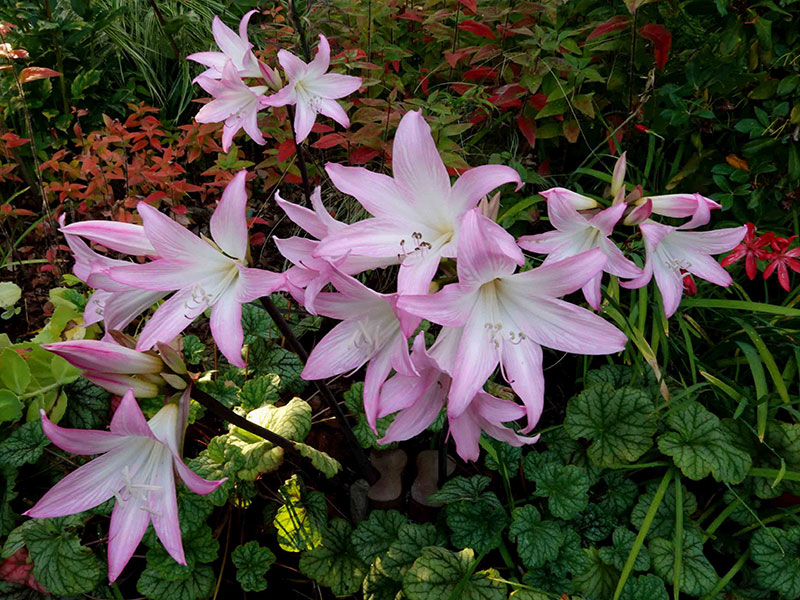
Right on cue, in an otherwise tranquil and unassuming corner of my garden, the second week of September saw several slender but sturdy, bronzy-red stalks of Amaryllis belladonna3 shake off their slumber, surreptitiously and suddenly raise their spear-point shaped buds and flare their fragrant, pale pink trumpets to herald the end of summer. Such a season of superlatives it’s been, mostly benign for us in the Pacific Northwest, but baneful and destructive in many parts of the planet that have endured prolonged floods, searing heat and pernicious drought. This leaves me feeling conflicted: I confess to having luxuriated in delight these past weeks, wallowing in the warmth of an unbroken chain of balmy days and soft nights. Yet an undercurrent of uneasiness tinged by survivor’s guilt creeps into my consciousness. Have we indeed dodged the meteorological bullet this time around, or is our time coming, too?
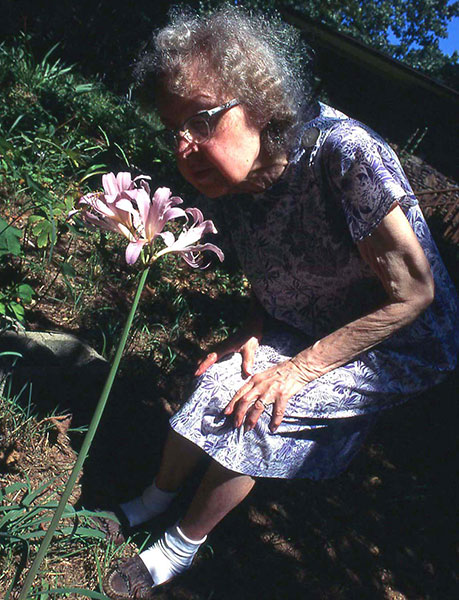
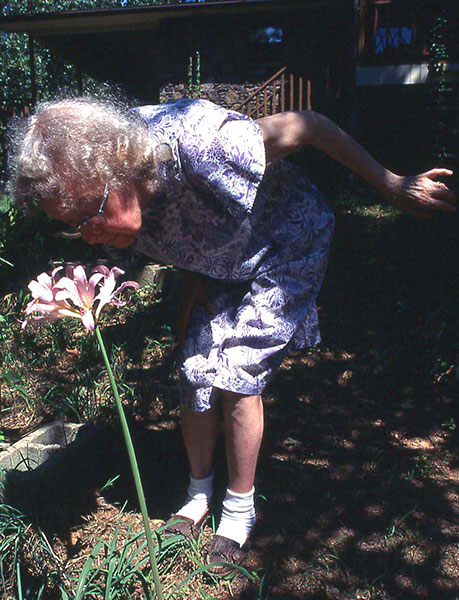
On this slightly ominous note we commence the third season of Horticulturally Yours. In the inaugural segment two years ago, I spotlighted Mirabilis jalapa (commonly called four-o’clocks, or marvel-of-Peru), one of my mother Dorothy’s favorites. In her final garden, a stone-studded patch of anemic soil in the Arkansas Ozarks, Mama also grew Lycoris squamigera, which she called surprise lilies, a common name also shared with A. belladonna, which it physically resembles and to which it is closely related. (In fact, a now invalid synonym of L. squamigera is Amaryllis hallii.) A more widely employed, not to mention racier common name for both is naked-lady-lily, a moniker also used for many Colchicum cultivars (see below), as all three share the trait of flowering stems emerging at summer’s end unadorned by foliage, which doesn’t emerge until flowering has ended, in late autumn (amaryllis) or spring (colchicum). All are known for their longevity and thrive in sunny spots with dry, unirrigated soil.
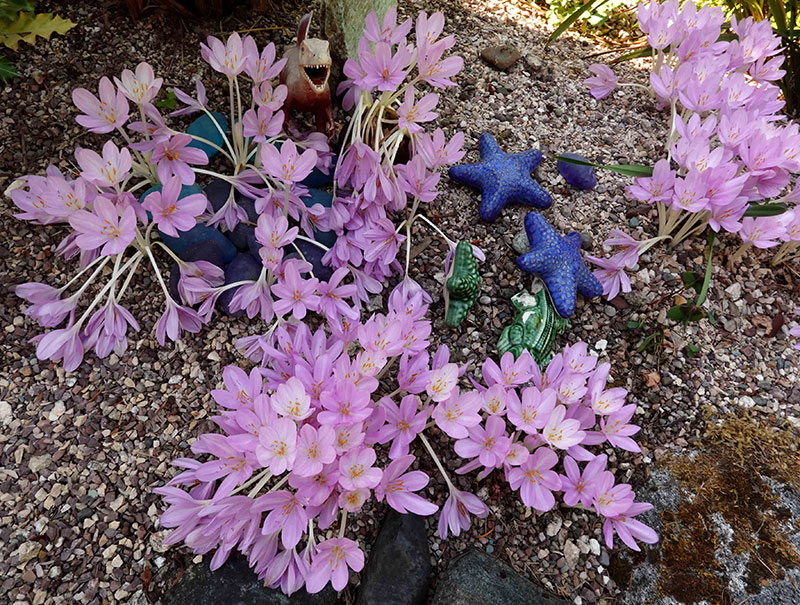
At autumn’s onset, I find my amaryllis and colchicum acting livelier than ever, spirited and sprightly in the absence of late September rains that frequently bedevil their preference for sun-drenched matinees. A slew of other flamboyant divas —both xeriscape succulents and cacti as well as tropical foliage drama queens— reveled in the summer heat as well, putting on their best show in years. Aloe and Agave, Aeonium and Crassula, Echinopsis and Parodia, Alocasia and Colocasia: All seemed to benefit from this year’s persistent and prolonged stretch of toasty, light-drenched days. We must acknowledge that such lush growth was enabled by an abundance of another essential element: water. Although precious little fell from the sky this summer, the superabundance of rain —and mountain snow to fill our reservoirs in the Cascades—through mid-June left us in solid shape to engage in (relatively) guilt-free irrigation, unlike our hard-up neighbors in parched California and points east.
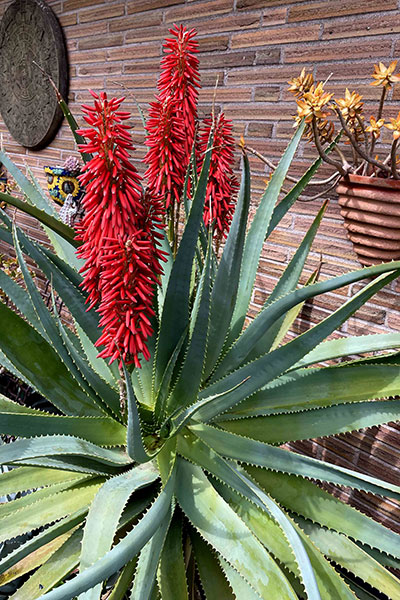
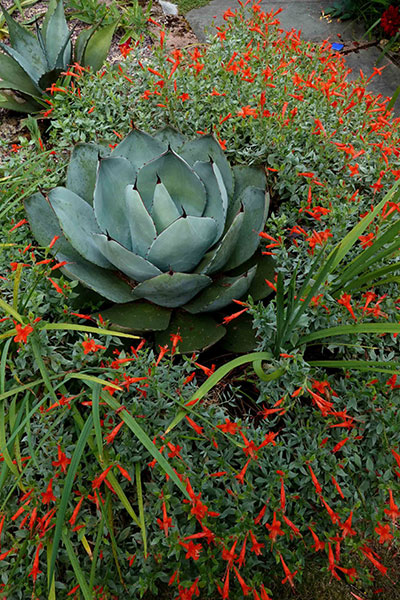
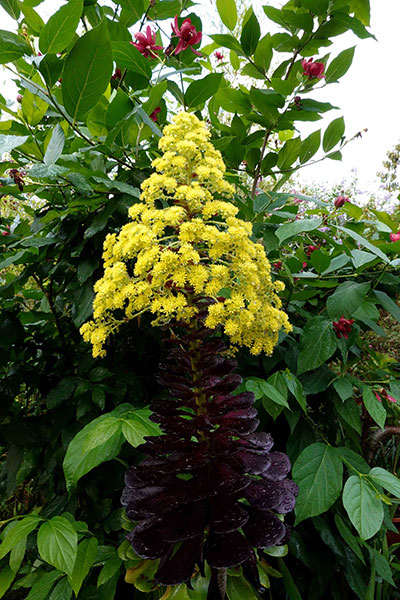
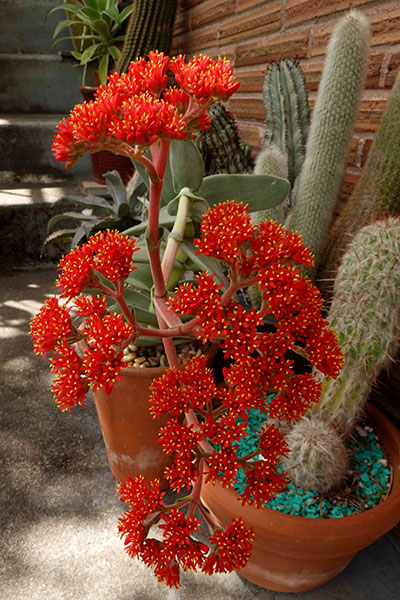
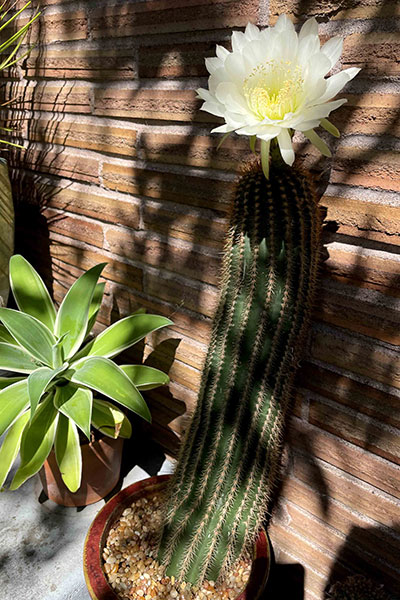
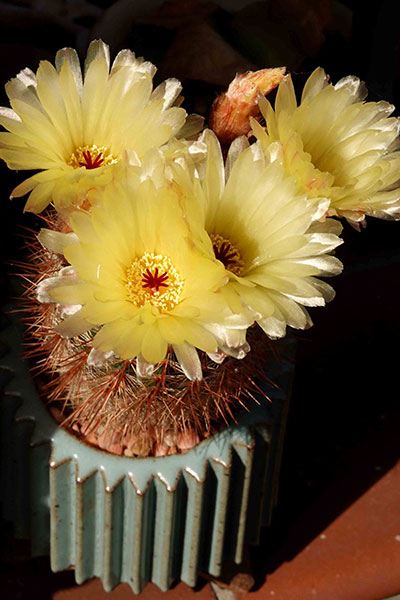
This newly departed season, suffused with light at times invigorating, at others glaring (and lately, smoky), also allowed the return of a measure of interpersonal contact curtailed for two years by the pandemic. Starved for stimulation, I visited a half dozen or more of our region’s loveliest home gardens and opened my own on as many occasions. My husband Jeff and I managed to visit friends and —gardens— on the other side of this continent as well as across the Atlantic. In forthcoming segments of Horticulturally Yours, I’ll share with you my take on public gardens of New York and Paris, as well as shine a light on regional gems in Seattle and Tacoma that deserve more acclaim. We’ll also weigh the merits of several genera of garden worthies, including Begonia, Dahlia, Eucalyptus, Fuchsia, Hedychium and hardy members (or nearly so) of Gesneriaceae and Proteaceae.
As I struggle with juggling tangled skeins of pleasure and guilt, I’m consoled by this observation from poet Jack Gilbert: “We must risk delight. We can do without pleasure, / but not delight. Not enjoyment. We must have / the stubbornness to accept our gladness in the ruthless / furnace of this world.”4
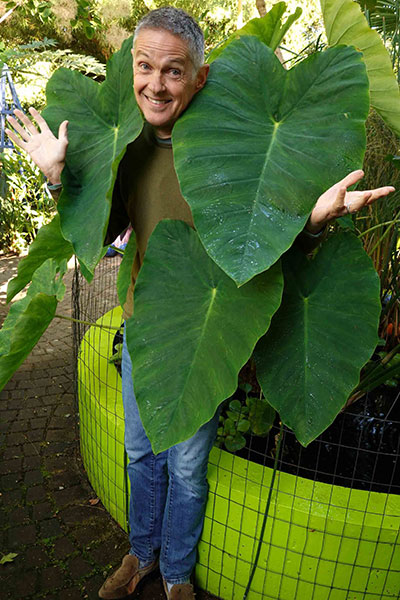
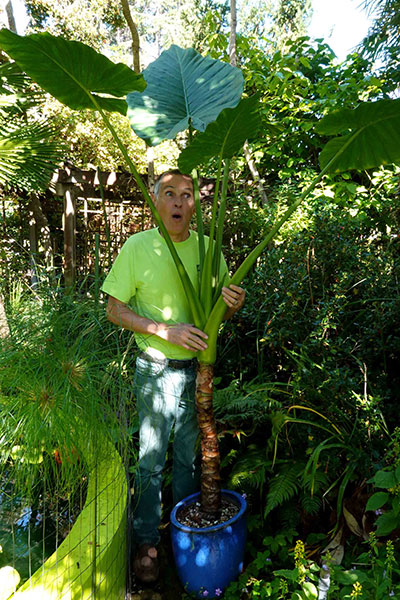
That said, we’ll meet again in a fortnight. It’ll be a delight.
Horticulturally yours,
Daniel
- Excerpted from “A Summer Garden”, from the collection Faithful and Virtuous Night (New York: Farrar, Straus & Giroux, 2014).
- Glück, who served as Poet Laureate of the United States, was awarded the Nobel Prize in Literature in 2020.
- The genus Amaryllis should not be confused with the large, showy, winter-blooming bulbs commonly called and sold as “amaryllis,” which belong to the genus Hippeastrum.
- Excerpted from “A Brief for the Defense”, the lead poem in Jack Gilbert’s book Refusing Heaven (New York: Alfred A Knopf, 2005).