
Call Me By Your Name: Our Plants & Their People
January 2026
Names can serve to connect us to plants in a very
special way […] Naming something gives it space,
power and legitimacy. —Sandra Knapp 1
Feeling rattled and addled by the ever-intensifying maelstrom of current events? I am, and I doubt I’m alone in seeking solace and refuge in the garden—blessedly easy to do in the middle of this unusually mild January. But even here I sometimes fail to find solitude as I stroll, surrounded by a host of plants whose botanical IDs conjure up a motley assortment of sinners and saints (many of the former, a few of the latter) for whom they’re named: Lewis and Clark, Menzies and Douglas, Fremont and Fraser, Darwin and David, Fortune and Fuchs, Azara and Roldán, Dahl and Kniphof, Choisy and Magnol… Their botanical spirits waft with the wind as they seem to wave and whisper, look at me, remember me, say my name.
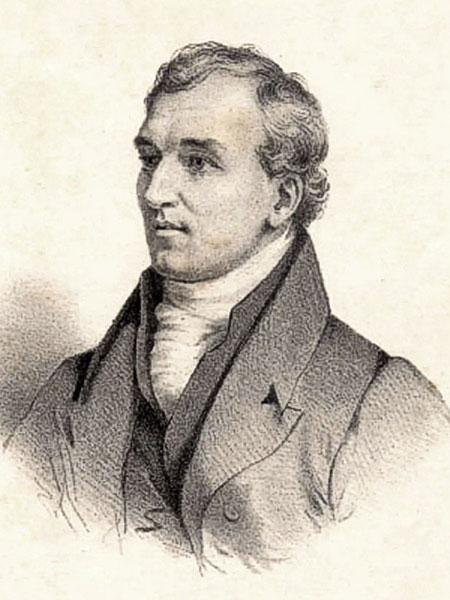
Around 10% of plants bear a botanical binomial that honors a person, usually a naturalist or patron, but sometimes another sort of celebrity. This may appear in the genus (Dahlia, Fuchsia), the species (Berberis darwinii, Acer davidii) or even in both (Magnolia fraseri, Lewisia sacajeweana). These are the “nominees” as it were, but we must also consider the “nominators”, the botanists who choose and publish the names and descriptions of new genera and species. When we assess the taxonomy behind many of the most iconic native plants of North America, and in particular our Pacific Coast region, a fascinating network of interlinked names emerges. Let’s try to untangle a corner or two of this web. Since 2026 marks this country’s semiquincentennial (or sestercentennial if you prefer), we’ll begin with a pair that honor paragons instrumental in the nation’s founding, then proceed to emblematic plants of our home turf.
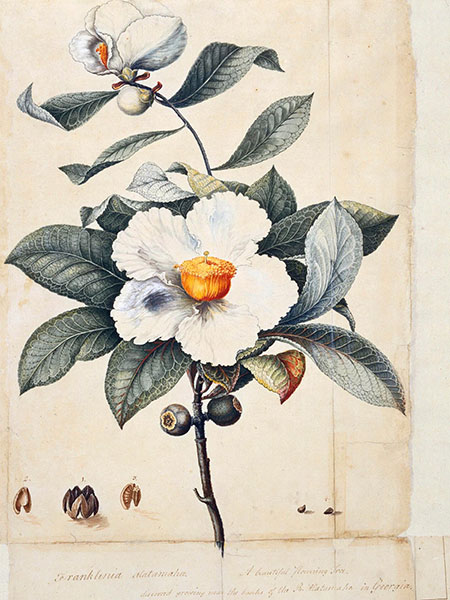
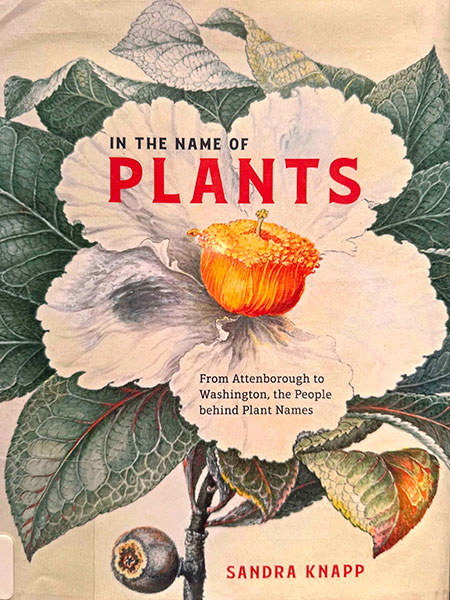
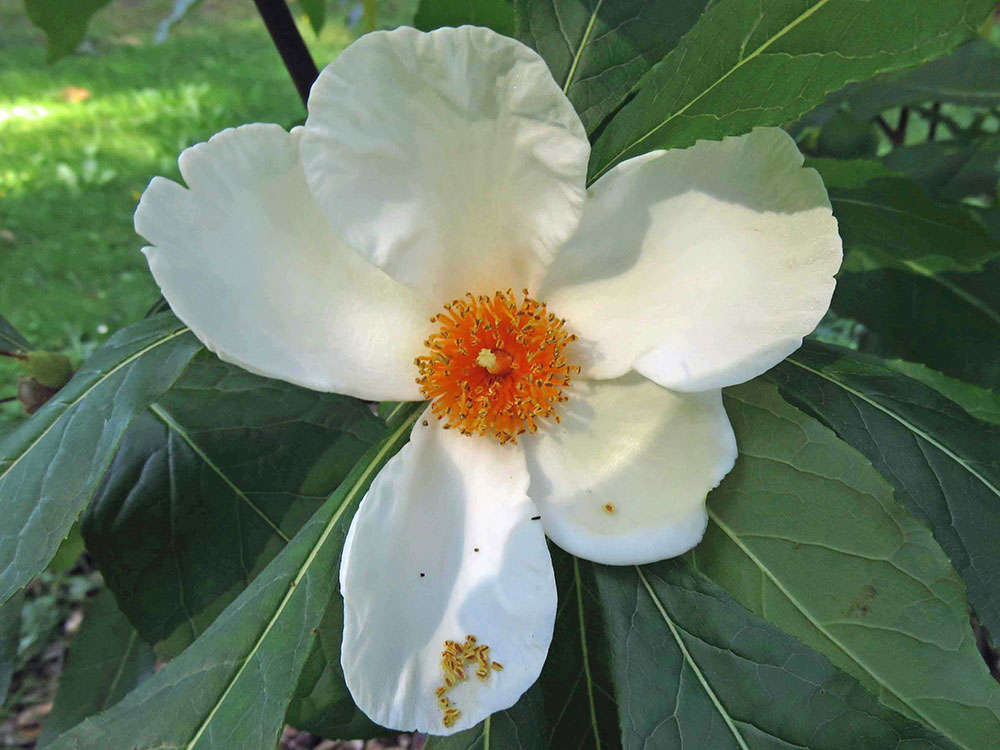
Franklinia alatamaha—John Bartram (1699-1777) and his son William (1739-1823) encountered this distinctive, deciduous and extremely rare shrub in the Camellia family while botanizing near the mouth of Georgia’s Altamaha River in 1765. John, sometimes called “the father of American botany” was one of the first Linnaean botanists in North America. A cohort of the great polymath Benjamin Franklin (1706-1790), the two co-founded the American Philosophical Society in 1743. At the specific request of Franklin, George III in 1765 hired John as King’s Botanist for North America at an annual salary of £50. In this capacity he introduced to Europe many American plants, including rhododendrons, kalmias, magnolias, and the Venus flytrap. John’s son William returned to Georgia to collect seed of the seductive shrub in the epochal year of 1776 and got his first specimens to flower in 1781. He named it after Franklin, his father’s close friend, in 1782. An accomplished illustrator, William’s 1788 painting of the tree’s blossoms stands out still for its clarity and beauty2. Extinct in the wild for at least 200 years, all living Franklinia trees are descendants of seeds collected by William. Several specimens of the September-blooming beauty are in Seattle’s Washington Park Arboretum.
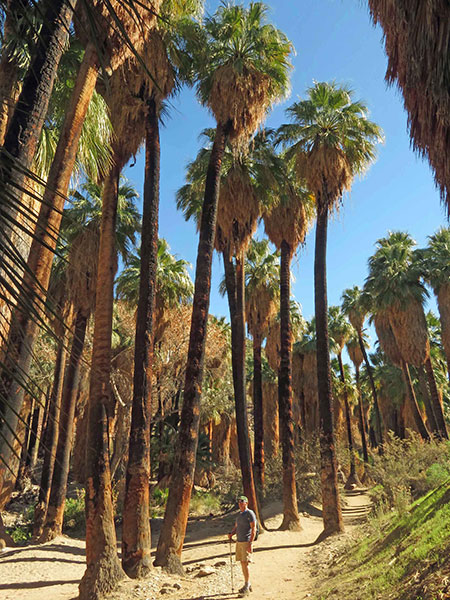
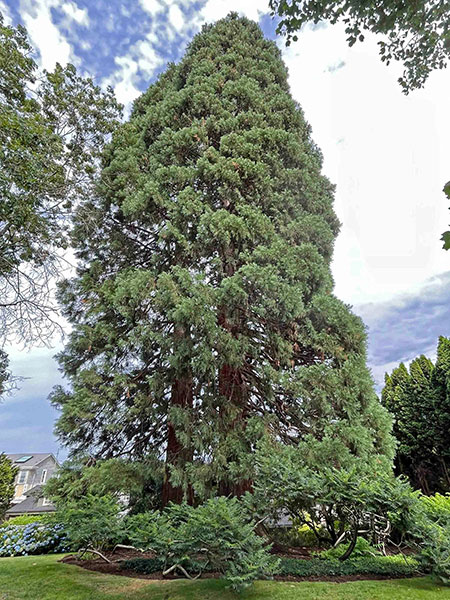
Washingtonia filifera—This noble native of southernmost California deserts, the only endemic palm on the West Coast, endured a heated dustup of generic names changes (Brahea, Livistona, Pritchardia, Sabal) before botanists in 1879 settled on this tribute to George Washington (1732-1799), who in his spare time was an avid gardener and horticulturalist. He was well acquainted with John Bartram (see above) and relied on the latter to supply Mount Vernon with appealing plants. Curiously, the generic term Washingtonia had earlier been (mis)applied to a different California native, the giant sequoia (Sequoiadendron giganteum). Click here to read the Horticulturally Yours of March 2023 that focuses exclusively on the genus Washingtonia.
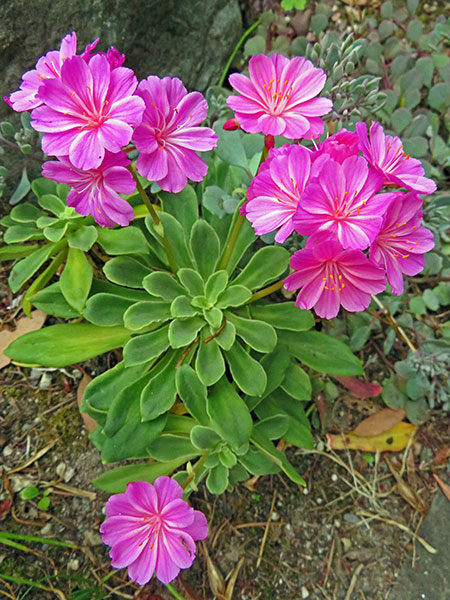
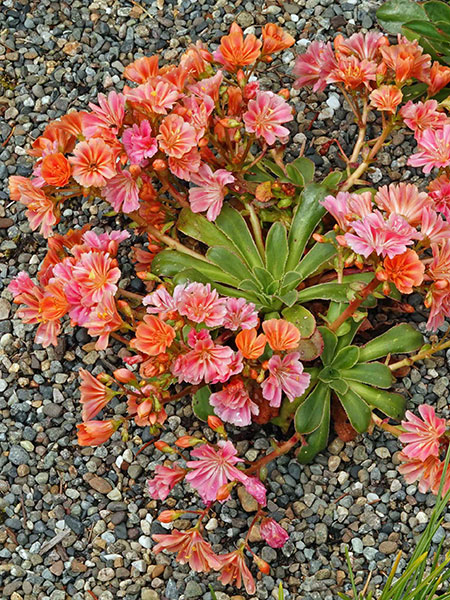
Four years after Washington’s death, President Thomas Jefferson commissioned the Corps of Discovery Expedition to explore and establish a practical travel route from the Mississippi to the Pacific. Although its primary objective was imperialistic in nature, the expedition, led by Meriwether Lewis (1774-1809) and his friend William Clark (1770-1838), resulted in collecting and introducing around 100 plants new to Western science, including several essential ornamentals that now adorn temperate-climate gardens across the globe. The formal description and official naming of these plants would be left to others. Chief among them was Frederick Pursh (1774-1820).
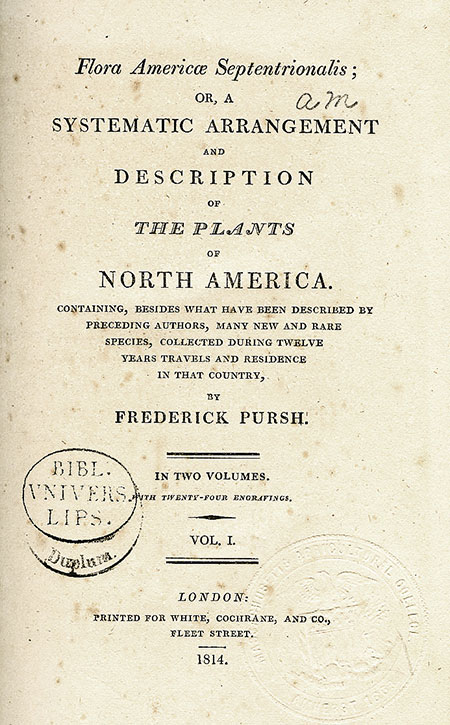
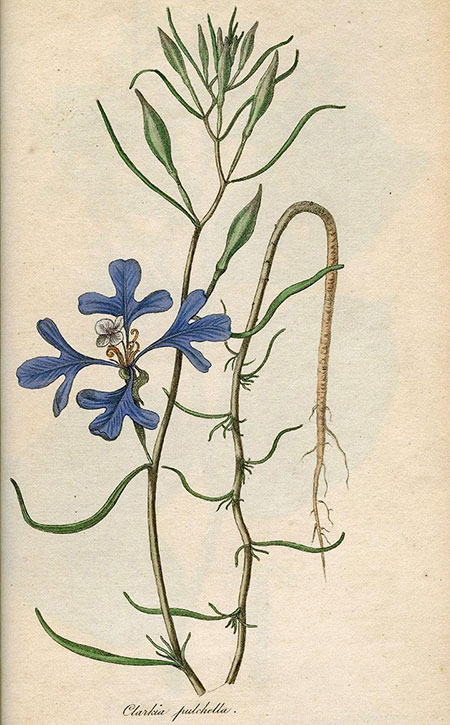
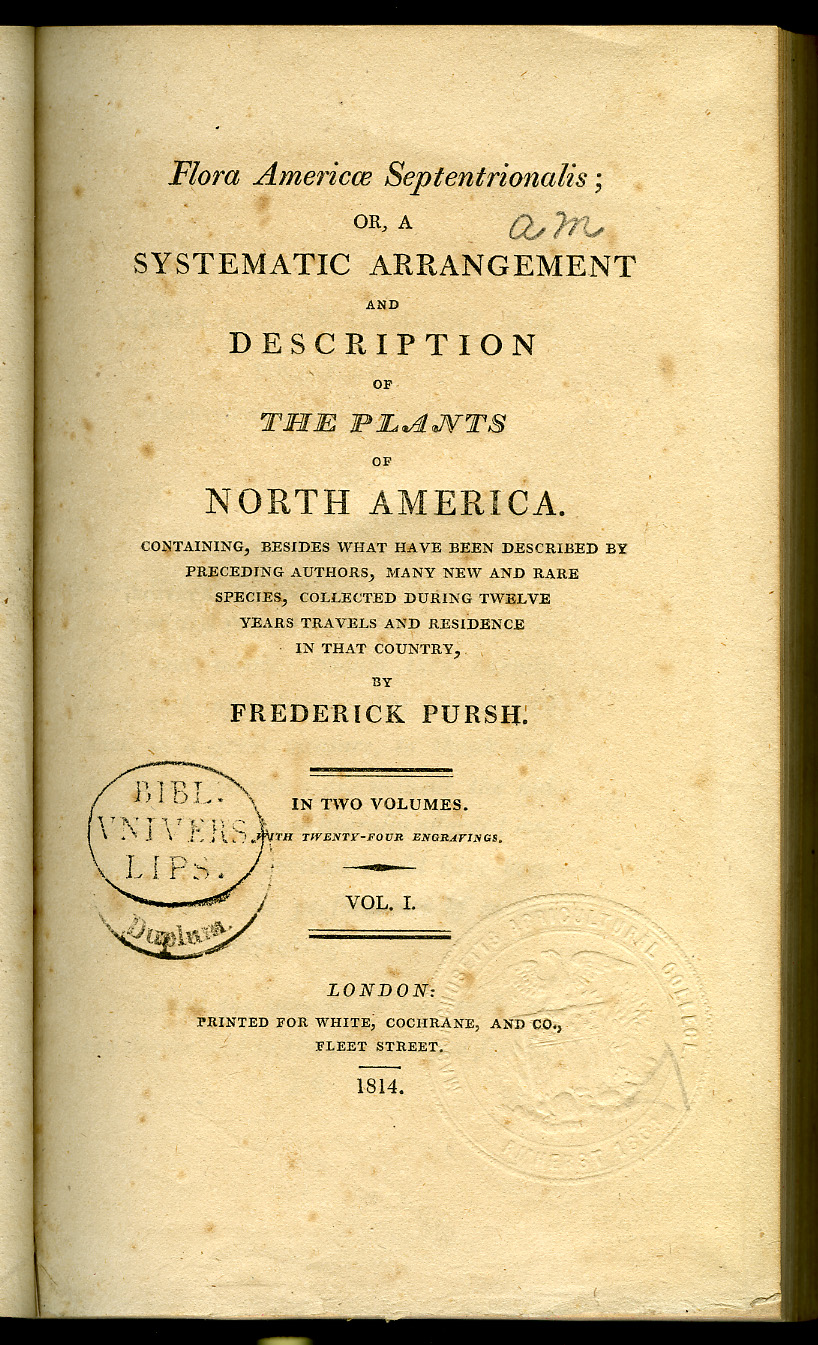
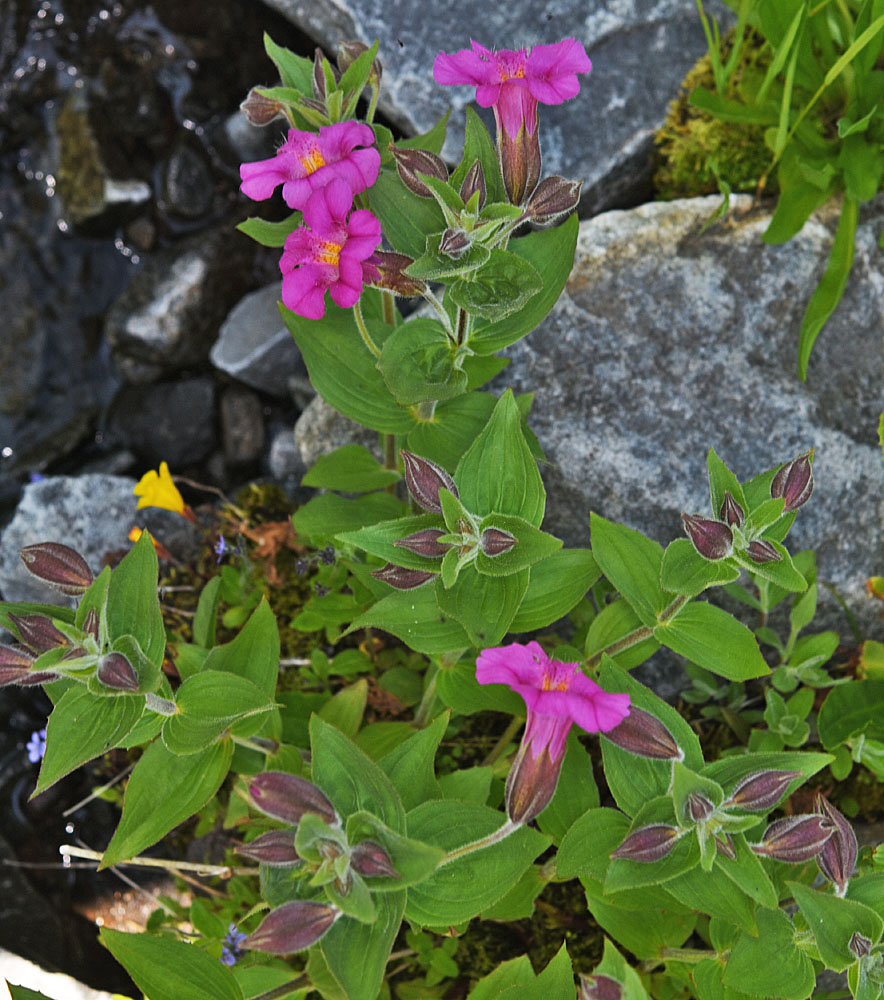
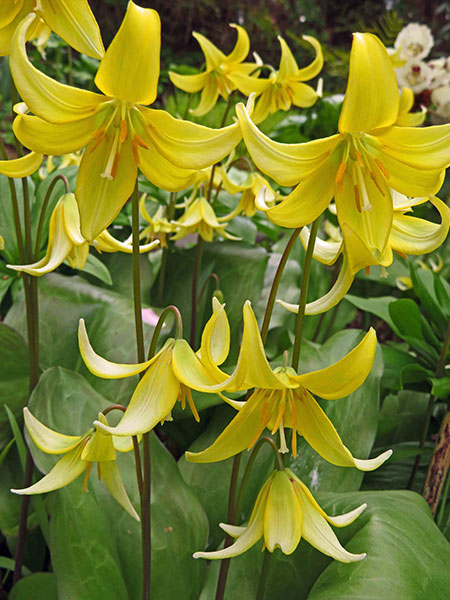
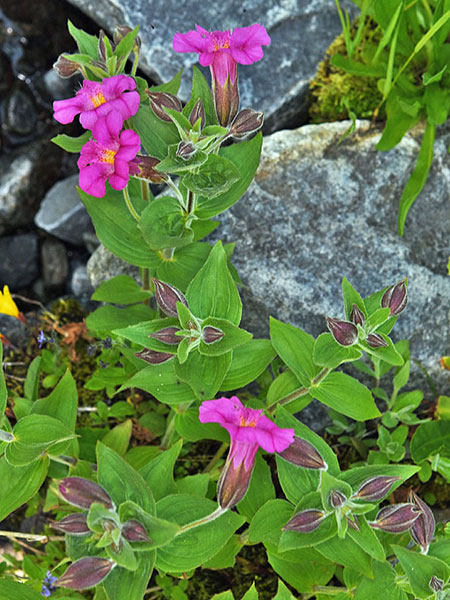
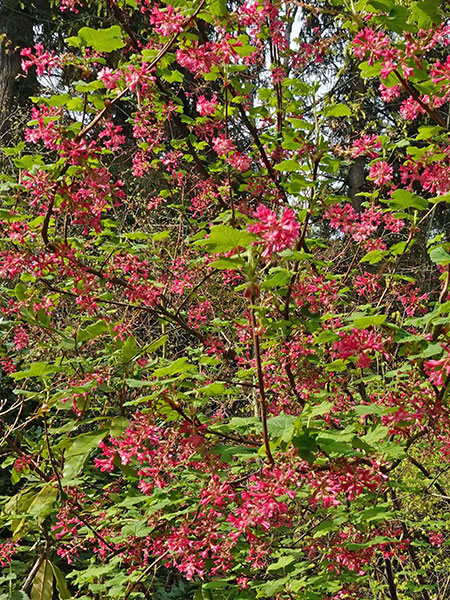
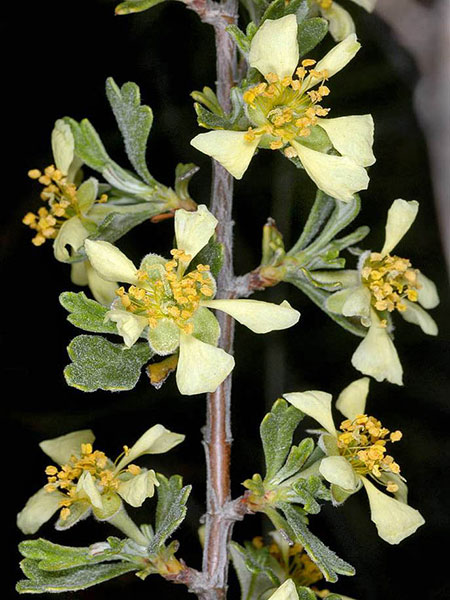
The German-born Pursh3, who trained at the Dresden Botanical Garden, emigrated to the newly minted United States in 1799. He quickly made the rounds of the continent and despite his acute, debilitating alcoholism,succeeded in compiling and publishing the monumental, two-volume tome Flora americae septentrionalis4 (A Systematic Arrangement and Description of the Plants of North America) in 1814. In it he described and named the genera Lewisia and Clarkia, along with a host of other emblematic and attractive western native plants such as Erythronium grandiflorum (avalanche lily), Berberis aquifolium (Oregon grape), Mimulus lewisii (purple monkeyflower, now properly Erythranthe lewisii) and my favorite PNW native shrub, Ribes sanguineum, the red-flowering currant. Purshia, a genus of seven species of bitterbrush in the rose family, all native to western North America, was later named for him by Swiss botanist Augustin de Candolle.
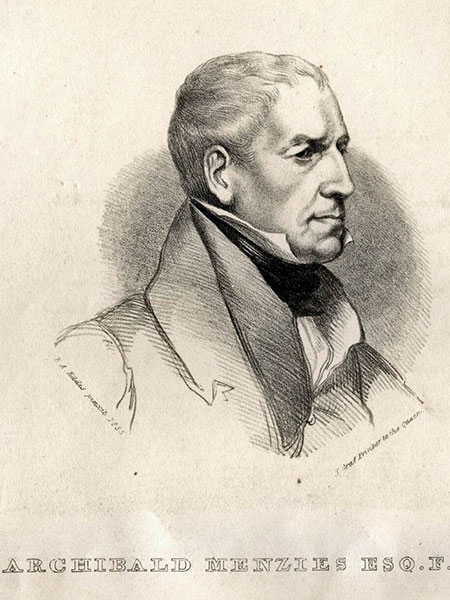
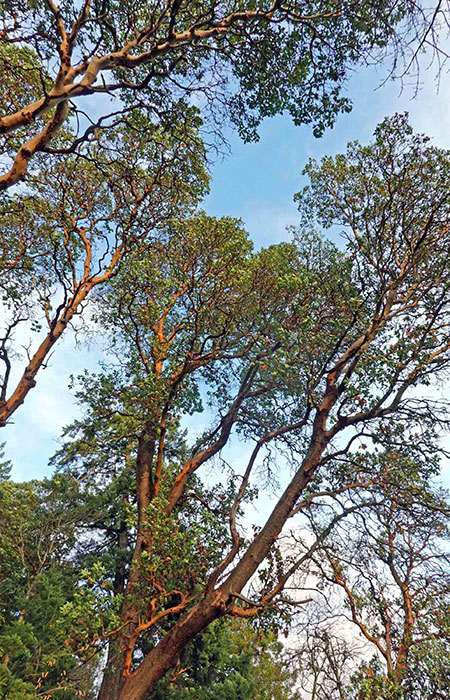
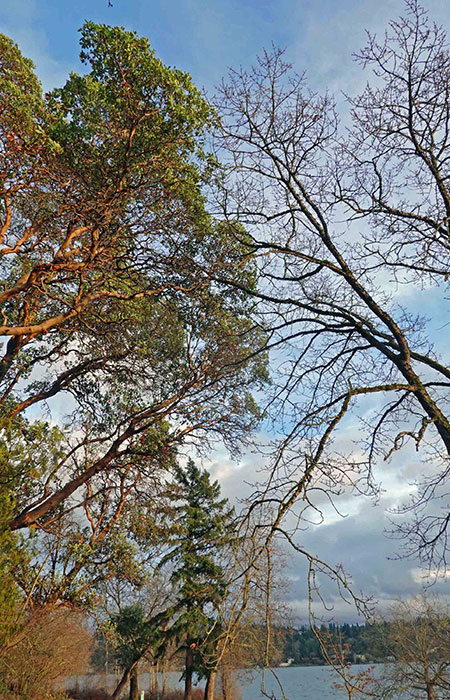
Pursh’s vital book also introduced one of the Salish Sea’s most beloved trees, the madrona, Arbutus menziesii, which Pursh named in honor of Archibald Menzies (1754-1842), the Scottish botanist who served as naturalist and surgeon on the HMS Discovery voyage of 1791-5 to the PNW under the direction of Capt. George Vancouver. Prior to his arrival in our waters Menzies had already botanized in South Africa, Australia, New Zealand, Tahiti and Hawaii. In July of 1792, while exploring what is now called Vancouver Island, Menzies collected samples and wrote an account of a most majestic conifer that he thought to be a giant pine. His samples were misplaced, and it wasn’t until 1830 that another Scottish botanist succeeded in delivering viable seeds of the titan to England. This was David Douglas (1799-1834) and his name is surely invoked thousands of times per day when we speak of “his” tree, the Douglas fir. It would take another century (not until 1950!) and a willy-nilly rollercoaster ride of adopted and aborted scientific names before botanists looped back to Menzies and officially designated the tree Pseudotsuga menziesii.
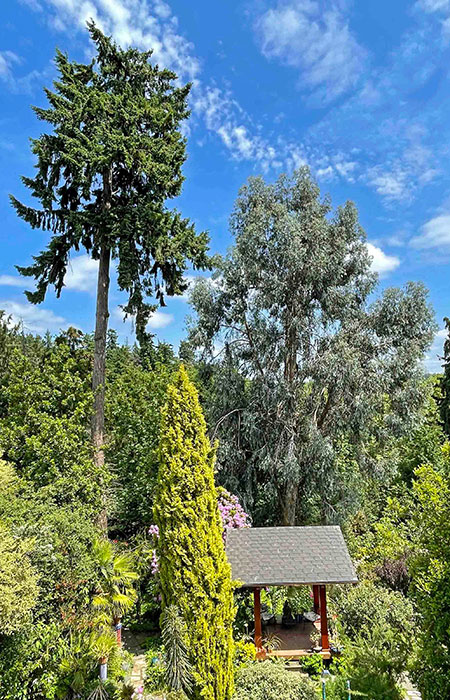
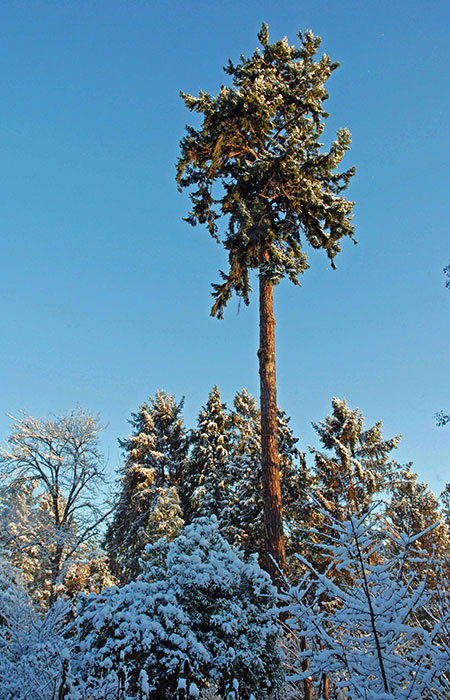
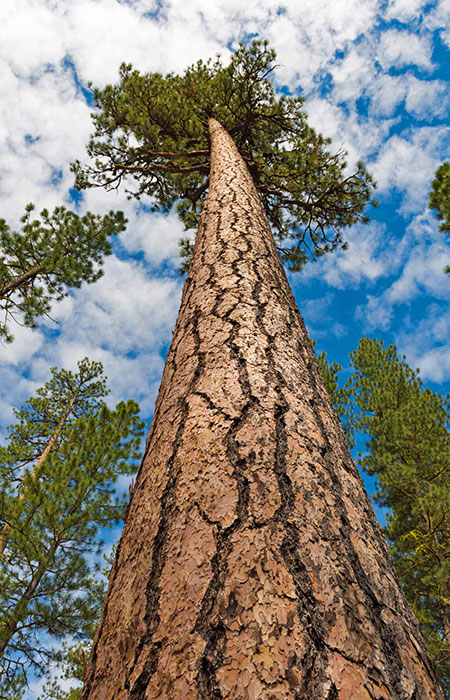
Douglas, arguably the most important botanist in our region’s history, was sent as a young prodigy by London’s Royal Horticultural Society to botanize the Pacific Northwest. Before departing England, he interviewed Arthur Menzies, and when Douglas made landfall in April 1825 at Baker Bay, Washington, near the mouth of the Columbia River, he was carrying Pursh’s book. Over the next two years he traveled throughout the PNW, collecting specimens of thousands of species and introducing more than 200 new ones to science. Most notable were the big trees: In addition to the false fir that carries his name, Douglas encountered—and sent back seeds of—Pinus ponderosa, which he first spotted along the Spokane River, the Monterey pine (P. radiata), sugar pine (P. lambertianus), Sitka spruce (Picea sitchensis), noble fir (Abies procera) and grand fir (A. grandis).
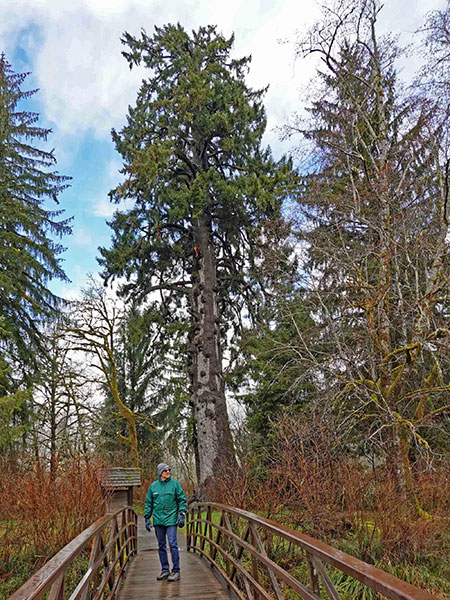
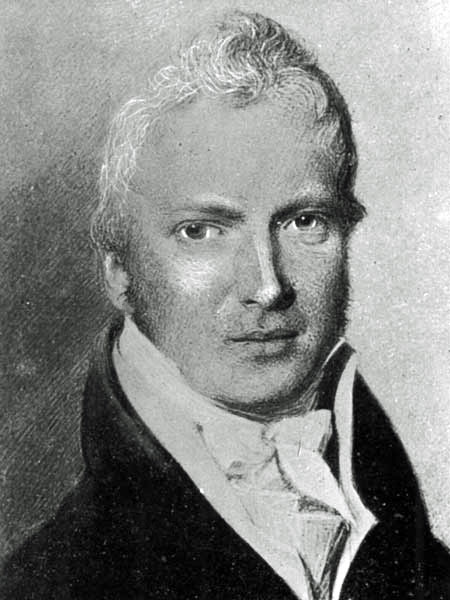
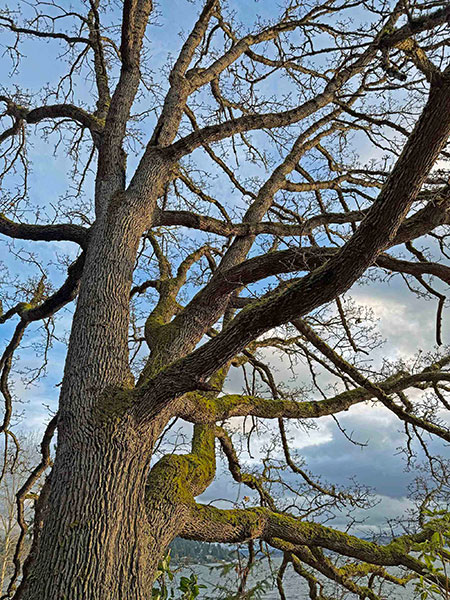
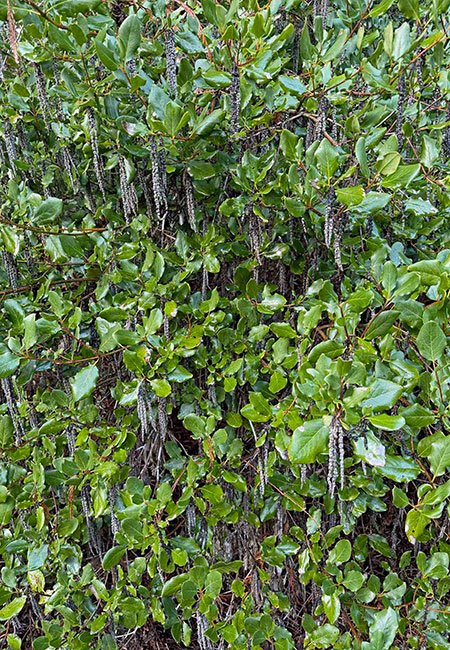
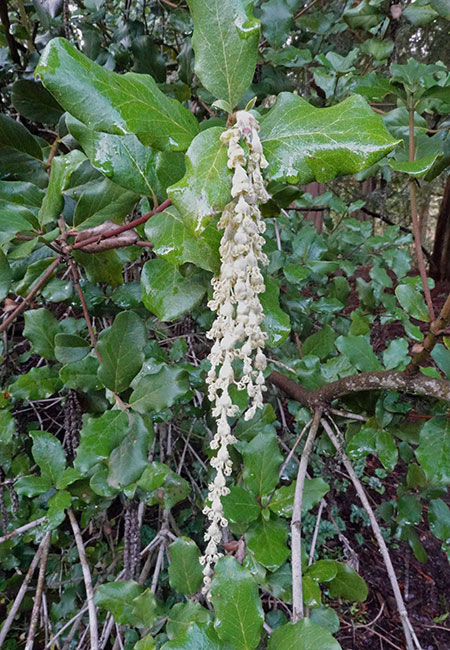
Assisting Douglas on his botanical explorations of the PNW was English merchant Nicholas Garry (1782-1852), deputy governor of the Hudson’s Bay Company. Douglas named the evergreen genus of silktassel bushes Garrya after him, as he did with the sole species of oak native to Washington State, Quercus garryana. The last remaining natural grove of these handsome deciduous oaks in Seattle is practically in my back yard, in Seward Park.
As we close the circle on this name-calling adventure in wonderland, you may be wondering about the seemingly ephemeral nature of many botanical names. Why so many changes? Let’s have eminent authority Sandra Knapp clear away the cobwebs: “Today we have many more sources of evidence at our disposal when we make the decisions what to call any given plant; each name is a hypothesis, capable of being falsified by new evidence. This is what makes taxonomy a science and not just a bookkeeping exercise.”
There you have it. If today’s topic has piqued your curiosity about the faces behind the curtain of botanical nomenclature, you might want to catch my seminar, “Plants and Their People: Don’t Maim the Name!” at the Northwest Flower & Garden Festival next month. It’ll be in the Hood Room of the Seattle Convention Center, Wednesday, Feb. 18 at 2:45 p.m. I hope to see you there.
Horticulturally yours,
Daniel
- From page 11 of Sandra Knapp’s book, In the Name of Plants (U of Chicago Press, 2022). The UW’s Elisabeth C. Miller Library has a lending copy of this and several other books by Knapp.
- William Bartram’s 1788 painting of the blooming Franklinia branch is the cover image of Sandra Knapp’s 2022 book. See Footnote 1.
- Born Friederich Traugott Pursch in Saxony (central Germany), he died destitute in Montreal and was buried in an unmarked grave. No portrait of him is known to exist.
- The UW’s Miller Library has both volumes in its Rare Book Room. They can be viewed by appointment.
Image credits—Archibald Menzies portrait: National Portrait Gallery (UK). David Douglas portrait: HistoryLink.org. Franklinia alatahama painting: Natural History Museum, London. Title page of Pursh’s book: U. of Mass. Library. Clarkia painting by Pursh: Discover Lewis & Clark. Erythranthe lewisii photo: R.L. Carr for Eastern Washington University. Purshia tridentata photo: Gerald D. Carr at Oregonflora.org. Pinus ponderosa photo: Gary Halvorson in Oregon State Archives. Nicholas Garry portrait: Archives of Manitoba. All other images are photographs by Daniel Sparler.