
Lovely and Luscious: Lauding Latin-American Flora
December 2025
All the fields abound in maize, beans, a little barley,
—Hipólito Ruiz 1
various kinds of squash, green vegetables, root
vegetables, fruits, and beautiful and fragrant
flowers in the gardens and orchards.
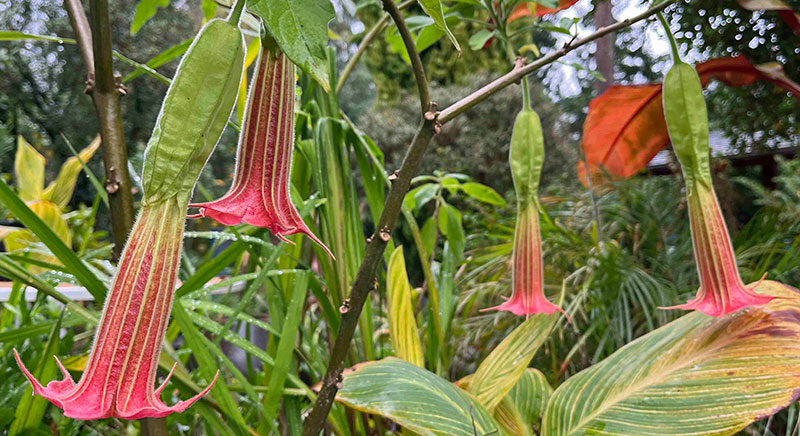
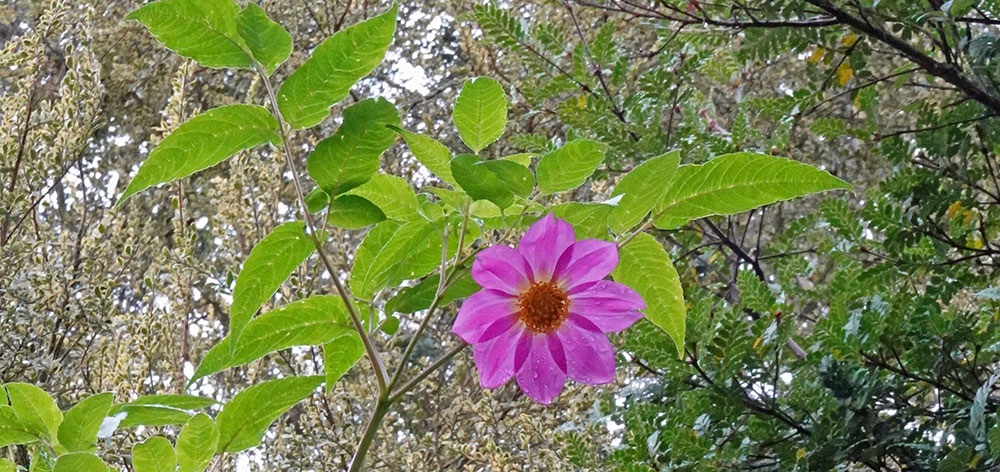
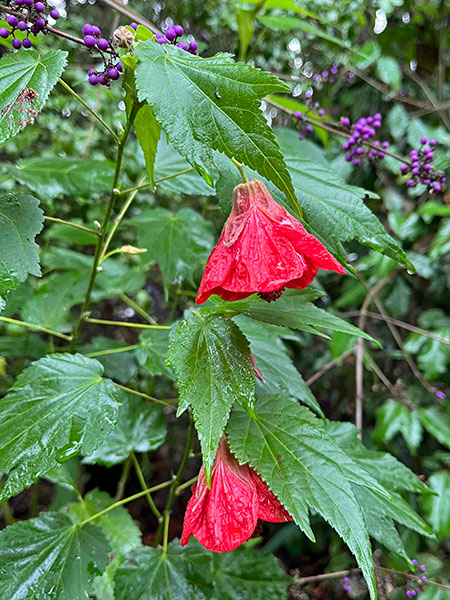
Across my windswept and sopping Seattle garden bleary eyes meander, until soothed by the sight of a tribe of waterlogged but stalwart flowering plants that somehow muddled through the torrent and dim December days to raise their tattered floral flags against the sullen sky: abutilons and alstroemerias, a bromeliad, a couple of brugmansias, a cuphea, an echeveria, several fuchsias and salvias, nasturtiums, a tibouchina, two tree dahlia species and a precious sprinkling of precocious, sunny-orange blossoms on Berberis darwinii. All of them managing to bloom even as the solstice draws nigh! The golden thread uniting this rugged and resilient coterie is their heritage. Whether hailing from Mexico in the north, Patagonia in the south or points in between, all are natives of Latin America2. Isn’t it time—especially in light of current events—that we pause to consider the massive debt we owe our neighbors to the south?
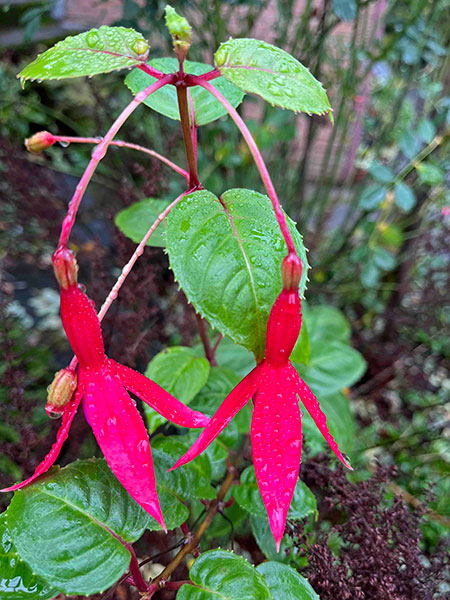
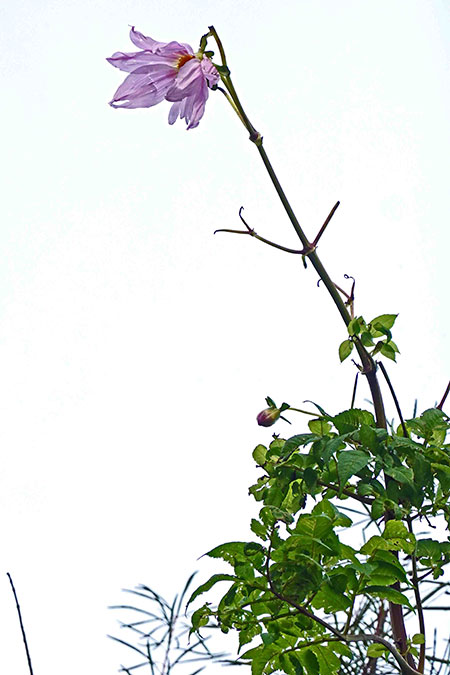
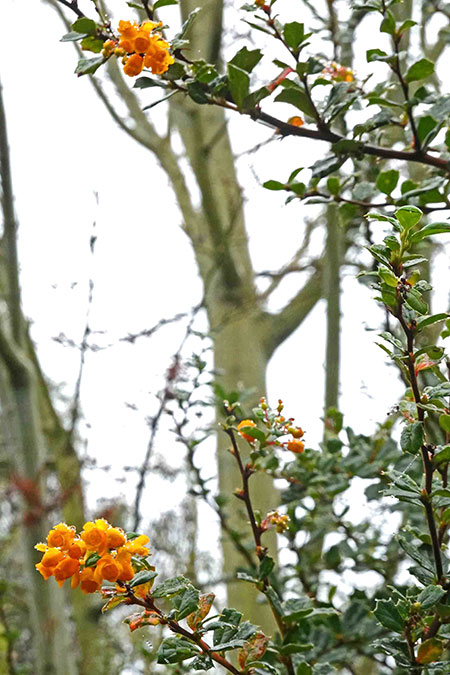
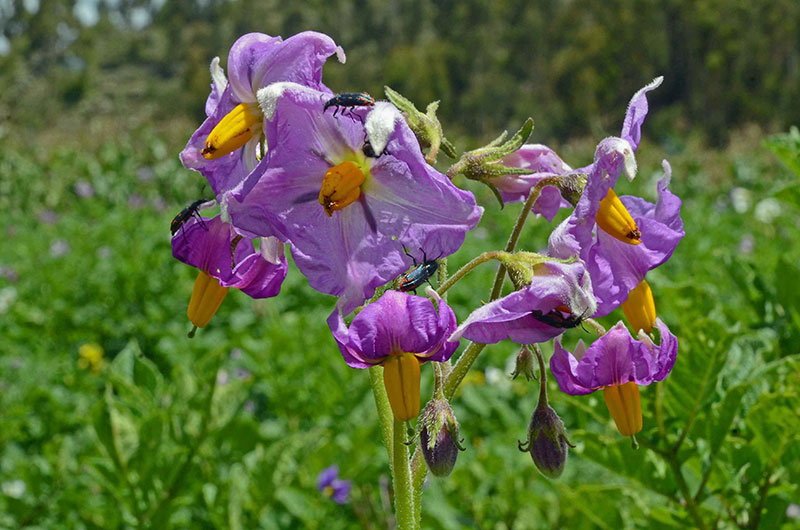
Ogling ornamentals certainly stokes the soul, but nourishment of the body takes primacy. Here, above all, we need to bow our heads in awe and deepest gratitude to Latin America. Consider the following list of essential foods that originated in central and southern portions of the western hemisphere: maize (corn), tomato, potato (sweet potato, too!), quinoa, chili pepper, avocado, bush and pole bean (black, butter, flageolet, great northern, green, kidney, lima, pink, pinto and red varieties!), papaya, pineapple, peanut, pumpkin, squash, cashew, chocolate, vanilla. All of these were unknown in the “Old World” prior to the so-called Columbian Exchange that began just over 500 years ago. Let’s credit the anonymous, indigenous agronomists who spent millennia domesticating wild versions of these plants, selecting and hybridizing them to produce the abundant cornucopia that sustains us today.
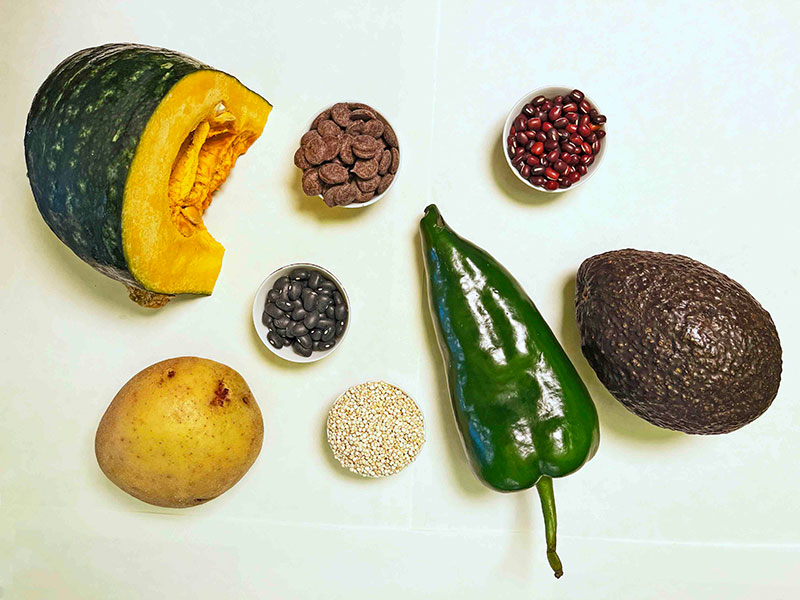
When asked why my bursting-at-the-seams garden doesn’t sport many conventional edibles, I mumble excuses, blaming insufficient sunlight and space or competition from ravenous varmints that conduct nightly raids from the adjacent 300-acre city park. The simple truth is that I’m incompetent at growing veggies and long ago made peace with leaving this vital task to professionals. Since we’re paying tribute, I freely admit that I’ve benefited greatly from the prowess (not to mention generosity) of my very talented next-door neighbor in cultivating luscious tomatoes and peppers of several persuasions. Thanks, Liz!
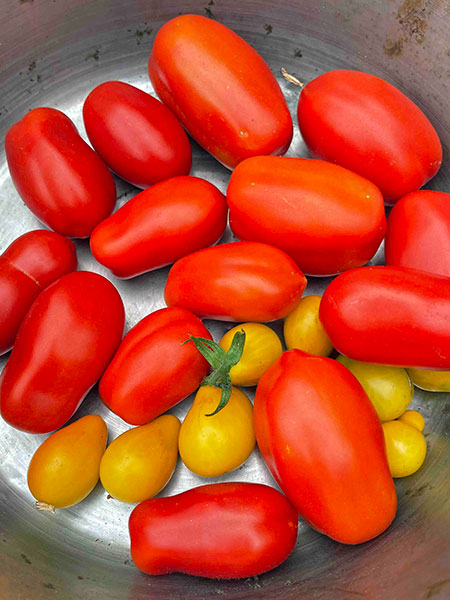
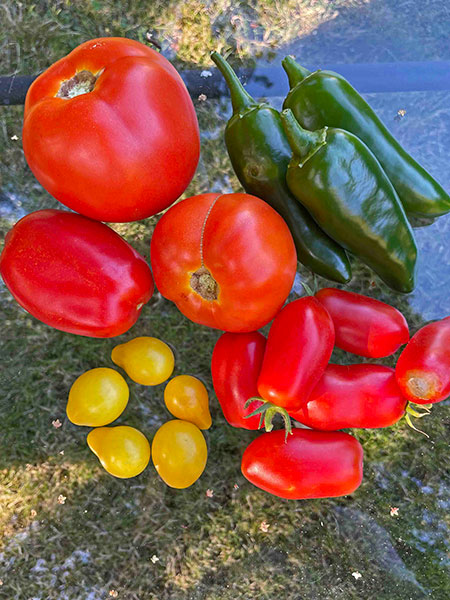
Regarding the dissemination of “New World” plants (both edible and ornamental) to the rest of the planet, the transfer process began 200 years before Carl Linnaeus introduced the taxonomic system of Latin binomials (Genus and species), but picked up steam in the middle of the 18th century after publication of his groundbreaking tome, Species Plantarum in 1753. Linnaeus himself coined the botanical names for many of the fruits, vegetables and grains listed above, including the “Big Three” crops: Zea mays, Solanum lycopersicum, and Solanum tuberosum3. (Can you sort out the common names of this earthy, titanic trio? See Footnote 3 for the “dirt”.)
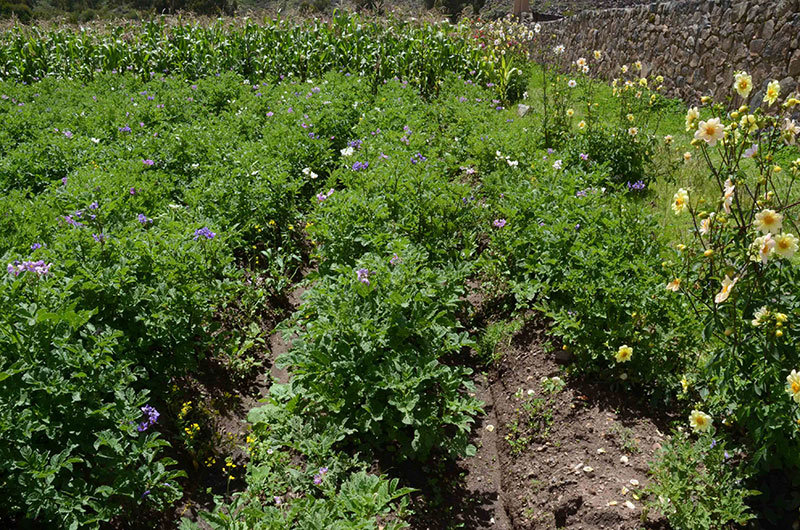
When the European Age of Enlightenment reached its apex in the Linnaean Era, even the plunder-hungry Spanish monarchy (during the reign of Carlos III, who established Madrid’s Royal Botanical Garden in 1781) got in on the act of expanding scientific inquiry by sponsoring four official botanical expeditions to its captured and colonized territories—three to Latin America and one to the Philippines. The first of these, led by botanist Hipólito Ruiz and assisted by José Pavón, set out in 1777 to catalog and collect new and useful plants in Peru and Chile. By the time they returned to Spain 11 years later they had collected 3000 specimens that included 150 new genera and 500 new species. Generic introductions they described and named include the following, all of which I have grown in my Seattle garden: Aechmea, Azara, Desfontainia, Fabiana, Lapageria, Polylepis, Salpiglossis, along with the species Solanum crispum and Tropaeolum tuberosum. In botanical citations, if you see the genus (or genus and species) in italics followed by the abbreviation “Ruiz & Pav.”, you’ll know they’re the ones who officially named the plant in question.

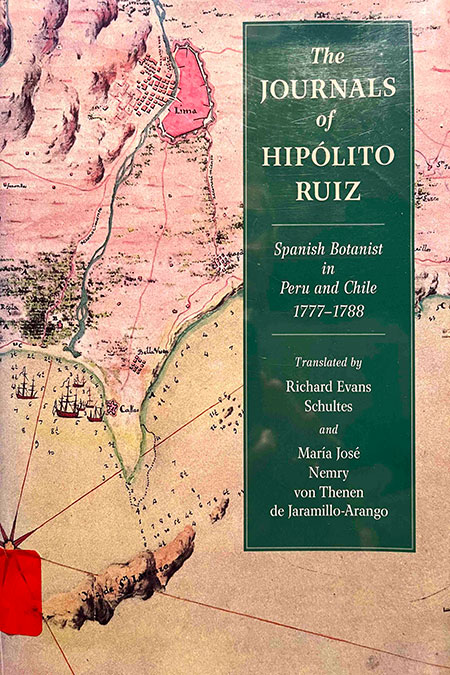
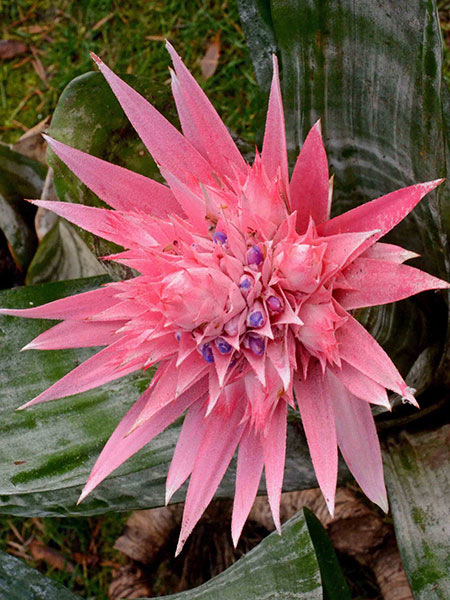
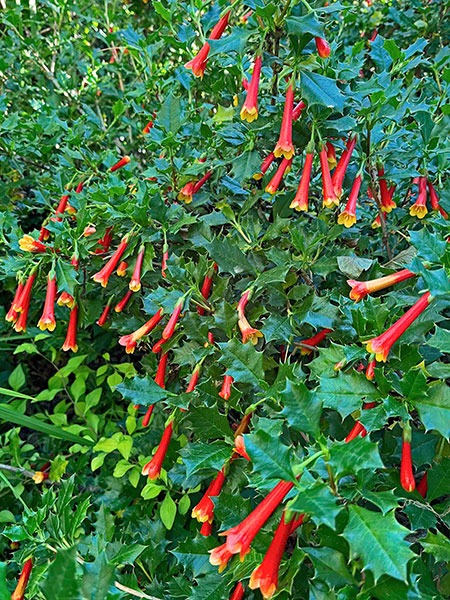
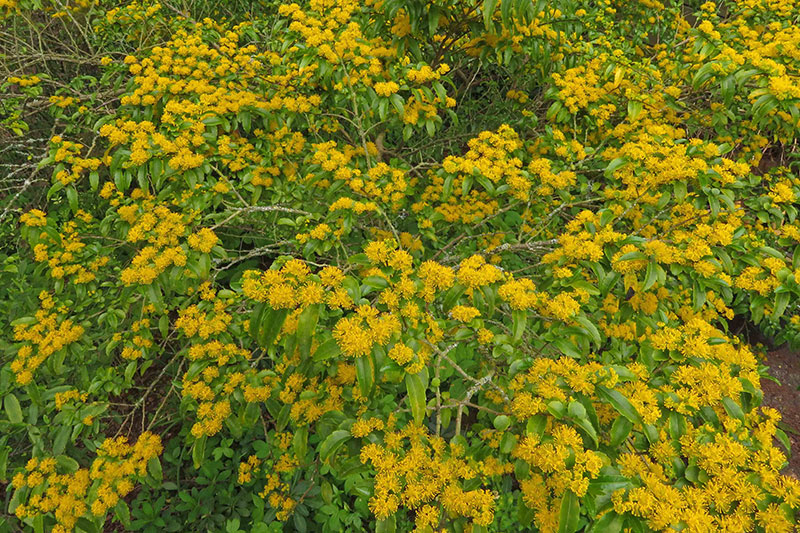
Tenacity and perseverance barely encompass Ruiz’s fierce determination to document and deliver what he and Pavón found in Peru and Chile. Given the hardships and setbacks they faced over the years of their journey—floods, earthquakes, a catastrophic fire, a shipwreck—it’s a minor miracle his journal (excerpted in the epigraph atop this essay and cited in the first footnote) made it into our hands. And what a gift it is, from the ample ethnopharmacological entries on indigenous use of plants to the description and introduction of “new” species that now have pride of place in our gardens. Here’s a snippet from Ruiz’ journal entry on one of my favorites, the genus Azara4: “The more or less rounded crowns of these little trees make them extremely ornamental, especially when they are in bloom, for they bear countless tiny yellow flowers that give off … a most pleasant fragrance that pervades the whole area around a tree.” (217)
If you, too, have a hankering to hang out among ornamental trees and pleasant fragrances in Latin America, consider this: The Northwest Horticultural Society is offering a 9-day tour, “Costa Rica—Gardens, Conservation & Forest Reserves” at this time next year. Keep an eye on your inbox; registration opens soon. The only drawback is that you’ll have to put up with me. As trip leader, I’ll be serving as the host.
Here’s wishing you all happy holidays and a comforting, festive entry in the new year!
Horticulturally yours,
Daniel
- From page 46 of The Journals of Hipólito Ruiz, Spanish Botanist in Peru and Chile 1777-1788, translated by Richard Evans Schultes and María José Nemry von Thenen de Jaramillo-Arango (Portland: Timber Press, 1998). The UW’s Miller Library has a lending copy.
- The term “America” was first published in 1507 (more than 250 years before the founding of the USA) in reference to what we now call South America. The term “Latin America” emerged in the mid-1800s as Spanish, Portuguese and French-speaking countries of the Americas voiced their resistance to U.S. expansionism in the central and southern portions of the hemisphere.
- Let’s dissect the scientific names (botanical Latin) Linnaeus chose for these vitally important food crops: “Zea” is from a Greek word for a different cereal grain, “mays” is from the indigenous Taino name, hence “maíz” in Spanish and “maize” in English. “Solanum” was the Latin term for nightshades (the huge family that includes tomato, potato, chili peppers, and eggplant, along with tobacco and other poisonous plants), “lycopersicum”—fascinatingly—means “wolf peach”, while “tuberosum”—logically—is “tuberous” (from the Latin for “swollen”), ‘cause taters are tubers!
- Ruiz and Pavón named the genus to honor Félix de Azara (1742-1821)—a Spanish naturalist highly regarded by Charles Darwin—who was doing fieldwork in South America at the time of R. and P.’s expedition.