
That Was the Year That Was
January 2023
Along the trail you’ll find me lopin’
—Tom Lehrer 1
Where the spaces are wide open
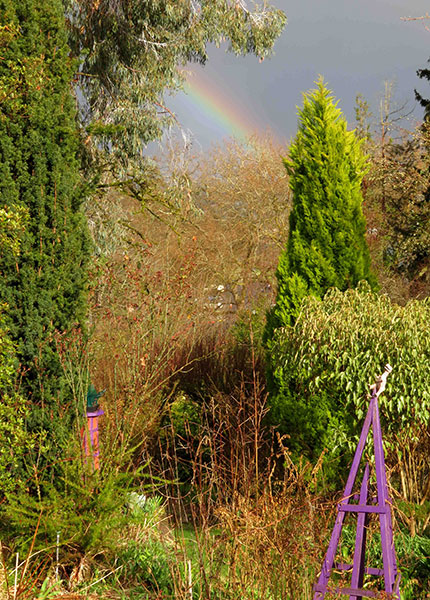
Scooting in on a bed of snow, the weather of 2022 took befuddled Pacific Northwest gardeners on a helter-skelter joyride of superlatives before skating out on a sheet of ice at year’s end. Still a bit slap-happy, I had to consult my notes to conjure up the unlikely chain of meteorological happenings we endured: A protracted and cold, sopping-wet spring that hung on until mid-June gave way to the driest summer (and one of the warmest) in Seattle’s history. The heat —along with noxious forest-fire smoke— persisted until mid-October, when the bottom seemed to fall out of the thermometer2. Measurable snow fell on a record 10 days in the final weeks of the year, culminating with a doozy of an ice storm.
Catching my breath, I’ve got to admit that I rather liked it, and with a few exceptions that we’ll explore shortly, the garden ended up not much the worse for wear. Granted, we in the PNW dodged the brunt of the climate-change induced cataclysms that afflicted much of the continent in the form of killer drought, floods, hurricanes, tornados, and blizzards. Despite our parched summer, the Seattle area ended the year with a slightly above-normal cumulative total of 40 inches of precipitation.
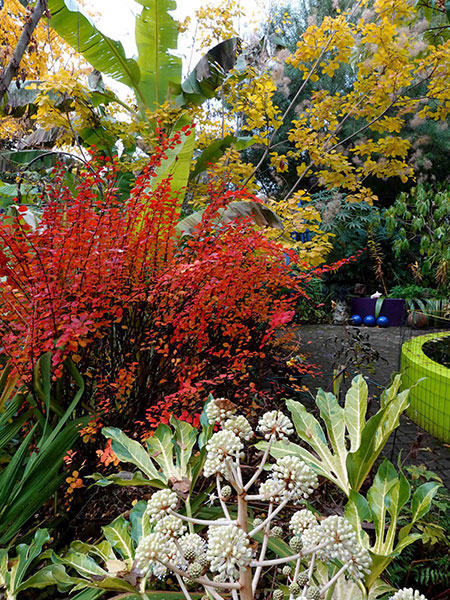
Writing these lines at the kickoff of the Lunar New Year, I ponder the significance of this Year of the Rabbit in the Chinese zodiac. As much as I loathe bunnies for the havoc they wreak in my garden, I take comfort in the prediction that Rabbit years are said to be relatively peaceful and harmonious, certainly less tumultuous than the Year of the Tiger that just ended. But prior to embracing the dawn of this new cycle, I’d like to pause to trace the contours of 2022 in our neck of the woods.
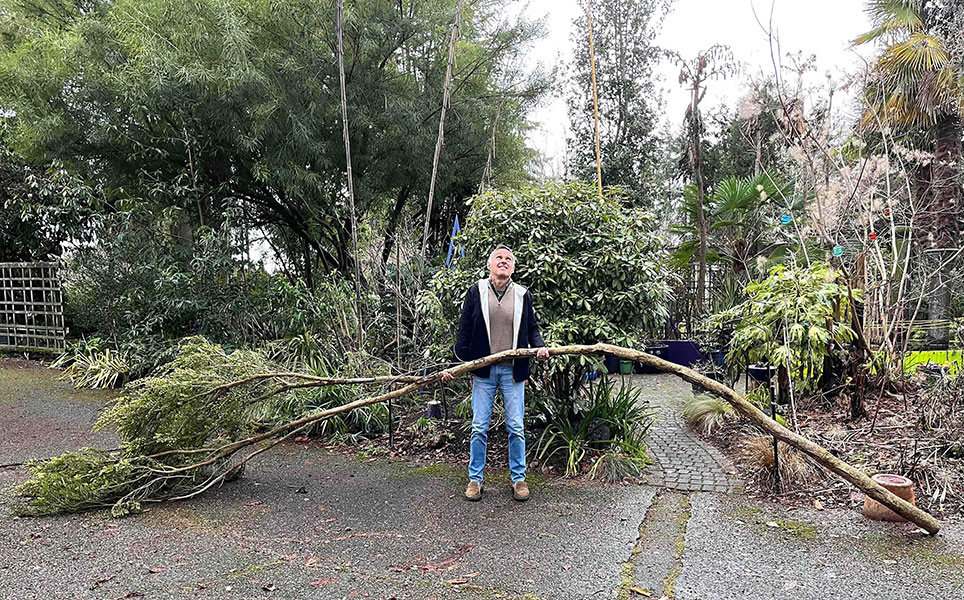
Commencing with acknowledgement of loss, my beloved Citrus junos yuzu tree gave up the ghost, as I noted in this column last June, as did my 21-year-old Daphne bholua. I’ve kept both of their sere skeletons in place as a warning against hubris. Oddly, I was unperturbed at year’s end upon discovering that the recent ice storm pulled down a 20-year-old, 24-foot-tall Azara microphylla (see photograph). Why was I unmoved? Perhaps it’s because I’d already written this one off —its trunk had been savagely girdled by maniacal squirrels in early summer. I’ve also got half a dozen other azaras of equal or greater stature elsewhere in the garden.
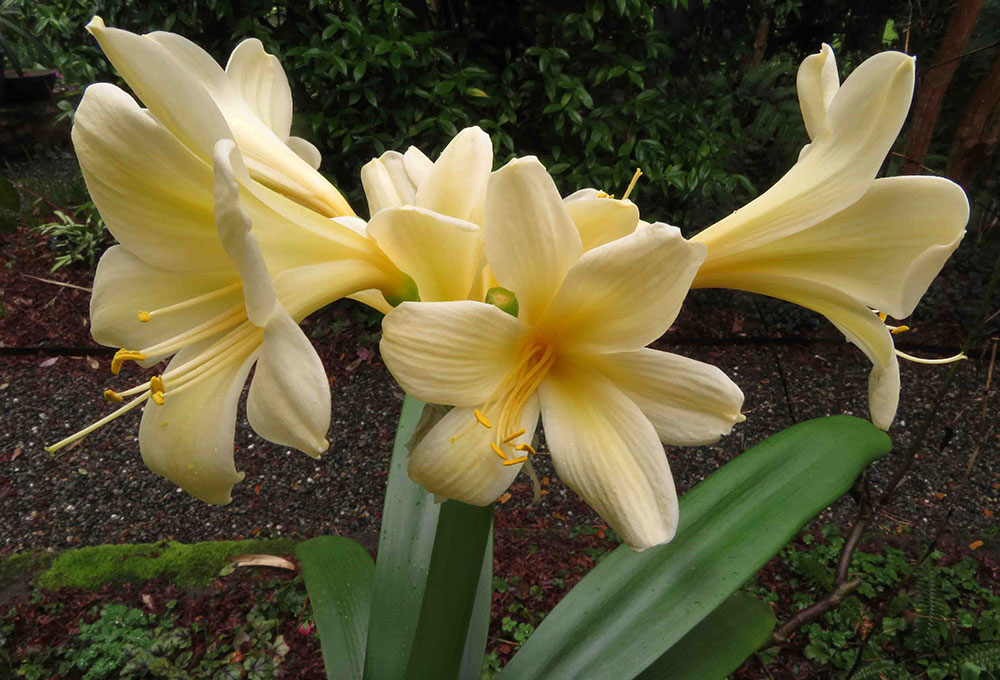
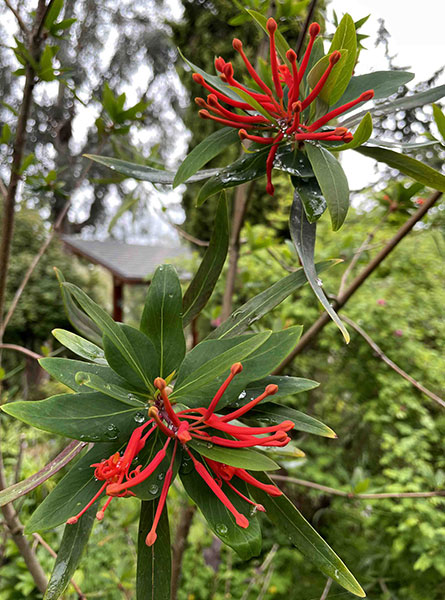
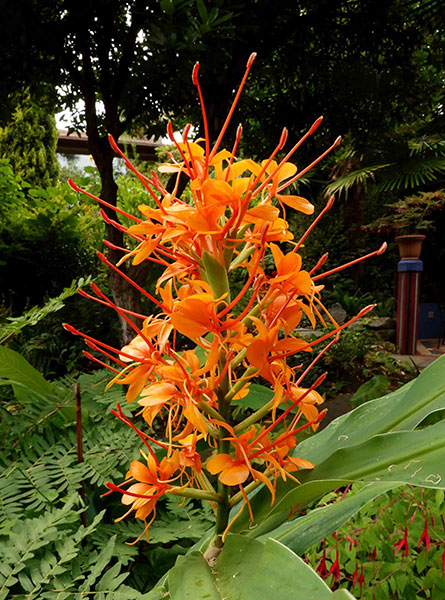
Pulling from the drawer of delight, 2022 produced a pair of long-awaited debut bloomers. Early March graced me with my first-ever ivory yellow flowers of Clivia miniata (as opposed to the standard orange, which I have nurtured for decades. See “A Fervor for Clivias” here). I initially swooned over the rare pale ones upon seeing them in Kirstenbosch Gardens in the genus’ native South Africa about 20 years ago. About a decade later, I stood slack-jawed in amazement at a huge drift of them practically pulsating under tree ferns in the Royal Botanic Garden Sydney in Australia. Back home again, the merry month of May brought the inaugural blossoms on my eight-year-old Chilean fire tree (Embothrium coccineum). It’s particularly meaningful in that —due to my ineptitude— this is my fourth attempt over 25 years at growing this phosphorus-intolerant member of the Protea family. In late summer my agonizingly slow to mature, 14-year-old Hedychium ‘Tara’ finally produced its first incandescent orange bloom.
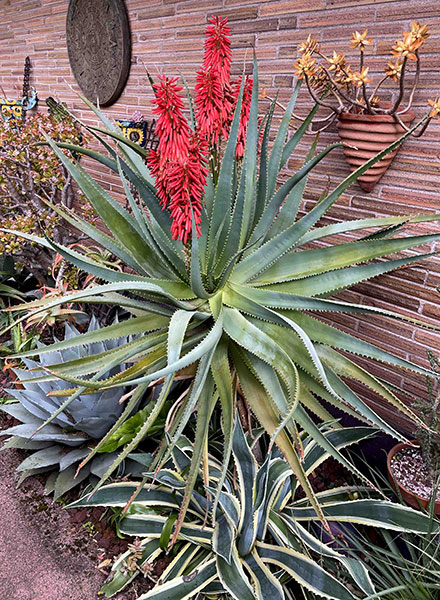
Thriving with several agaves in a gravelly, south-facing succulent bed, my 10-year-old woody-trunked Aloe ‘Scarlet Rockets’ this past spring thrust up not one, but two arms of ruddy inflorescences, each bearing a triple candelabra of tubular lusciousness that lasts for about six weeks. I’ll also note here a smashing new acquisition in the xeriscape world that has my heart aflutter: Obtained in September at the “Odd Plant Sale” sponsored by the Volunteer Park Conservatory, it’s Cereus forbesii ‘Spiralis’, a naturally occurring variant of a South American columnar cactus whose normally vertical ribs have mutated into bewitching corkscrew ramps. A bit on the tender side, this one is kept inside on a bright windowsill over the winter.
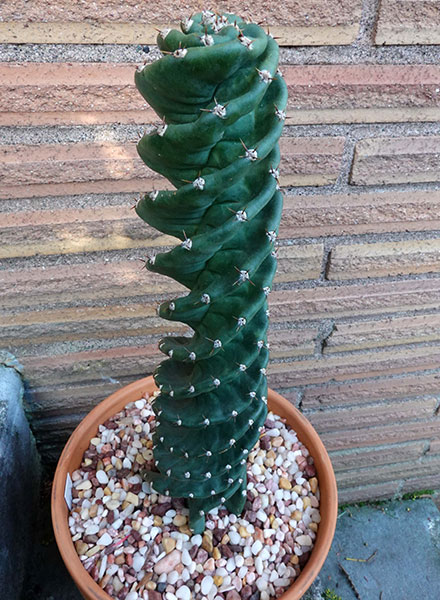
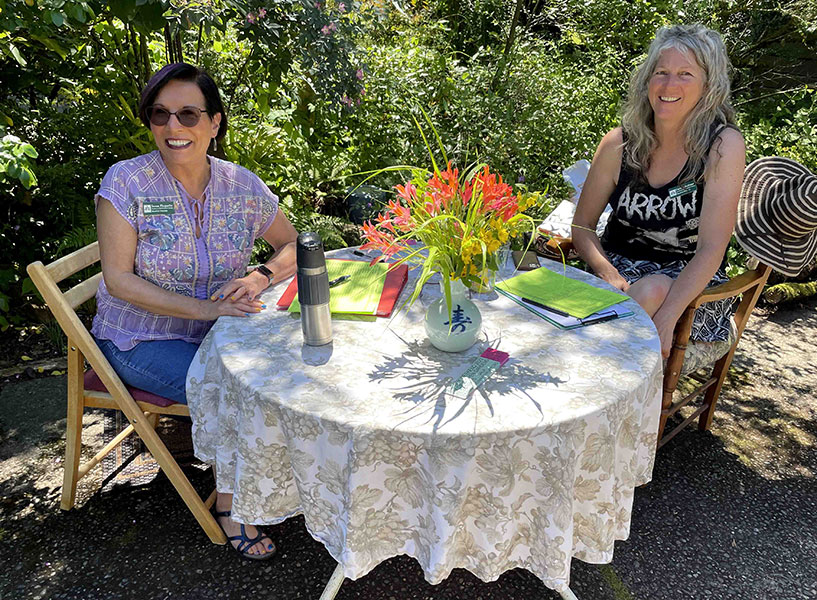
Ruminating over this oddest of years, it strikes me that the greatest garden-related pleasures came from interacting once again face to face with fellow plant lovers after the pandemic-induced hiatus. Duly masked and vaccinated, we traveled again, visiting parks and other natural nooks both near and far; we mingled at plant sales, at the revived Northwest Flower and Garden Festival, and most gleefully for me, in NHS’ series of Meet the Board tours for members and guests. In hosting about a half-dozen events in our garden last summer as well as in my venturing out to visit a score of gorgeous gardens both public and private, I was struck by the fervor of pent-up demand to bask in beauty —to bathe in the metaphorical healing waters of horticulture nurtured by human hands under the auspices of the Goddess Flora.
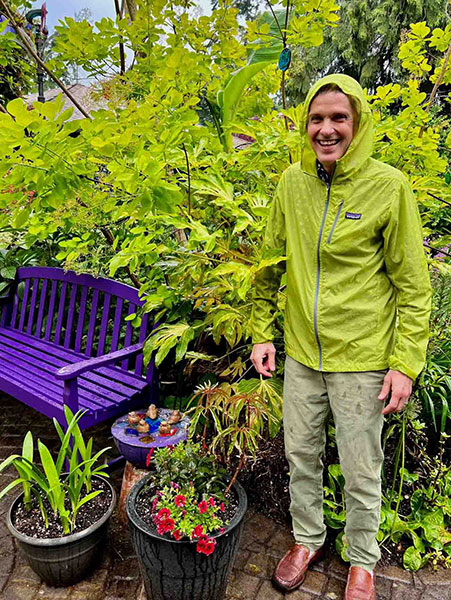
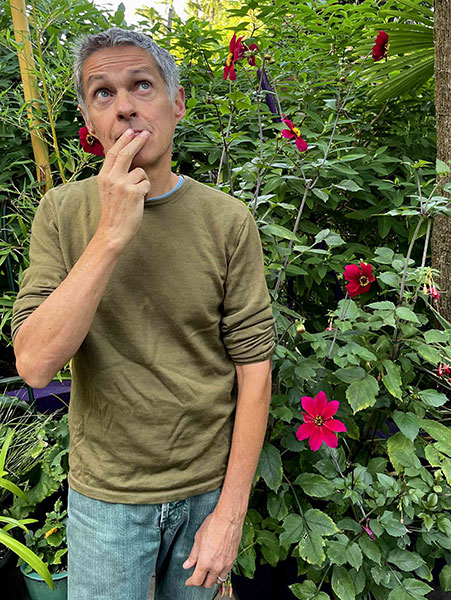
Owing to the urgency of constructive collaboration as a gardening best practice, we’ll dedicate the next couple of columns to introduce the perspectives of an octet of my fellow NHS board members, a mix of veterans and more recent arrivals, as they share their respective highlights and reflections on the year 2022. The next Horticulturally Yours, to be published February 9, will feature Ciscoe Morris, Camille Paulsen, Bryon Jones and Cynthia Welte, and the issue to follow on Feb. 23 will highlight four additional luminaries on the NHS board. Stay tuned!
Horticulturally yours,
Daniel
- Opening lines of Tom Lehrer’s satirical song “The Wild West Is Where I Want to Be”.
- The drop in average temperature from October (57.6o F) to November (41.9o F) 2022 was the most precipitous one-month change in Seattle’s history.